
truth
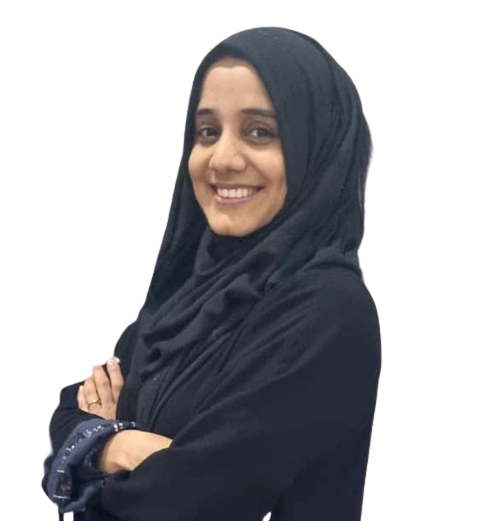 The writer, Zamena Manekia-Manji (Bujumbura, Burundi) is a writer for TMJ News. Born and raised in Dar es Salaam, Tanzania and currently residing in Bujumbura, Burundi, her writing has evolved from fiction to Islamic, contemporary, and historical writings. She works in the history and Islamic events department at TMJ News, where she previously worked as a breaking News writer. Zamena is also a writer for 313juniors, a YouTube channel that works to produce Islamic content for little children, trying to improve her writing with each task. Through her words, she hopes to shed some light on Islamic History and share her thoughts on contemporary views through an Islamic lens, slowly doing her part towards building a better and stronger society.
I
t’s hard to stand up for the truth in a world filled with glittery deceptions that tempt us to dwell in the comfort of nonchalance while people suffer immensely as a result of our cowardice. From watching a fellow classmate being bullied to witnessing a live-streamed genocide unfold in front of our eyes, our silence in the face of injustice is deafening and can sometimes lead to severe consequences.
As Humans, we tend to strive for comfort, which is okay, but should the comfort come a cost of lives,
that is not okay. We have seen how several popular advocates for the truth such as Malala Yusufzai,
Ilhan Omar, Nas Daily, etc who were once revered for challenging the norms of the society, suddenly
carefully crafting words while speaking out for Palestine and the Palestinian Resistance, for fearing to
hurt the sentiments of their Zionist payers. We have seen, how people from our own circles deliberately choose to not talk about Palestine, reducing the Israeli onslaught in Gaza to a conflict, not wanting to get into the wrong books, which could probably cause a dent in their otherwise very clear portfolio.
We struggle to speak up for the truth, simply because it is uncomfortable. No one said it was easy, but no one ever said it was impossible, especially for adherents of Imam Hussain (a.s), who stood tall in the face of injustice. As the chosen caliph, he refused to pay allegiance to the then self-elected caliph Yazid ibn Muawiyah, a tyrannical and immoral man who oppressed and killed people at a drop of a hat. Hussain refused to bow to the whims of the usurper of the wealth of others, the womanizer and the drunkard. He knew very well that if he adopted silence, Islam and humanity at large, would never survive. This is why he strove till the very end, despite losing his family members and companions.
The battle of truth against injustice rang through Karbala. 72 against 30,000 proved how hard it is to
stand up for the truth. But fast forward to 1400 years later, no one cares where Yazid and his thousands of henchmen are buried, but Hussain’s legacy still shines so bright alongside his family and comrades, proving how truth shall always prevail.
Today, It’s the Palestinian cause that will test our moral compasses. Today, it’s about predominantly
standing up for Palestine that will determine whether we’ve learnt anything from Imam Hussain’s
ultimate sacrifice or do we just perform the annual Muharram rituals. For standing up for Palestine and
the Palestinian Resistance, the Lebanese Resistance, the Yemeni Armed forces, the Lebanese Resistance and the Iranian Government, to mention a few, could potentially result in losing our Instagram accounts and/or followers, our prestigious jobs, our lavishing lifestyles, and perhaps a trip to the States. In other words, standing up for the truth can cost us our comfort.
It’s up to us to decide if we care enough for the oppressed to sacrifice a part of our comfort or are, we in a delusional pursuit of fulfilling our own selfish interests and leave it to the others to speak out against injustice?
We may argue that our voice might never make a difference, but ask the Palestinians who are their only
hope other than God the midst of a genocide. It’s you and I, the ones inspired by Hussain’s legacy to
never bow down to oppression, and always stand up for the truth.
Latest posts
Writers Panel | A Simple Thought | Obituaries | Ziarat Ashura | Islamic Calendar | Facebook | Instagram