
Ibadah
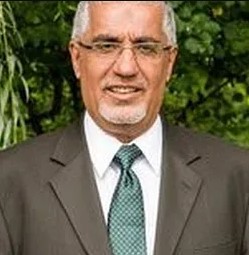 Mohammed Khaku (Allentown, USA) is the past president of Al Ahad Islamic Centre in Allentown. He is a Social and criminal justice writer and regularly writes for several international publications
Ibadah is a lifestyle that means going beyond rituals, turning faith into action, and living it out practically and genuinely without duplicity.
What does “Ibadat” mean in English?
It is Worship.
The Arabic word “ibadah” is often translated as “worship” in English, but it goes beyond just acts like prayer, fasting, or Hajj. It embodies devoted service, obedience, and heartfelt submission to Allah.
When people hear the word “Islam,” they often think of its three main practices – prayer, fasting, and Hajj. But in reality, Islam goes far beyond religious rituals. It’s a complete way of life that influences how Muslims think, eat, dress, work, and interact with others.
Islamic lifestyle rules are guiding principles that encourage living a balanced, ethical, and meaningful life. They shape daily routines, from personal hygiene and family bonds to financial practices and community responsibilities.
In Islam, faith and worship extend far beyond the mosque or religious rituals, shaping every part of daily life. It’s a way of living where a Muslim’s religious identity seamlessly integrates with everyday experiences.
The Qur’an states,
“Today I have perfected your religion for you, completed My favour upon you, and chosen Islam as your way of life” (Qur’an 5:3).
The Prophet Muhammad (SAW) echoed this sentiment, saying,
“I was sent to perfect good character” (Al-Muwatta).
In Islam, worship is a complete way of life that isn’t whole without good morals. Someone may pray and fast, but if they cheat in business, mistreat their family, or gossip about others, they’re not truly following the principles of an Islamic lifestyle.
In Surah Al-Ra’d (13:11), Allah (SWT) emphasises a common theme in the Qur’an:
“Indeed, God does not change the condition of a people until they change what is within themselves.”
In other words, real change starts from within.
The Qur’an isn’t meant to gather dust on a shelf; it is only taken out during Ramadan or special occasions like funerals or weddings.
It’s a living guide, but if a student is lazy, careless, inattentive, immoral, or dishonest, even the best teacher can’t make a real difference. True growth comes from genuinely connecting with Allah, the Qur’an, the Prophet Muhammad, and the Ahlul Bayt.
With over 2.5 billion Muslims worldwide, it’s striking that they’re often among the most feared and disliked of all religious groups – a phenomenon known as Islamophobia.
This raises an important question: if Islamophobia is driven purely by perceived contradictions in Muslim lifestyles or narratives, where is the Muslim perspective that openly addresses and challenges it?
Islamophobia stems from a mix of perceived contradictions, inconsistencies, and challenges within Muslim communities. It thrives on imagined notions of so-called Muslim issues, often fueled by racism, divisive narratives, and the actions of extremist groups.
As Muslims, we sometimes face deep-rooted hypocrisies that leave us open to criticism from those who see Islam negatively. They can easily highlight our contradictions, flaws, fears, and the gaps in the grasp of our own principles of rights, Amanah, truth, trust, and transparency. Real change starts within our families and communities.
To the Ummah, it’s time for a change and to take a moment to reflect and grow.
To the global Muslim community, the authoritarian regimes and the monarchies, make changes if you seek Allah’s support. Value every life and aim to live as true Muslims, not as hypocrites or pretenders to the faith.
There are endless examples of hypocrisy.
In Islam, overcoming hypocrisy involves nurturing a stronger love for Allah and appreciating the importance of self-reflection in everyday life.
Tazkiyah, or cleansing the soul, is about letting go of negative traits like hypocrisy and living a double life. In Islam, hypocrisy is seen as a serious wrongdoing, strongly condemned in both the Qur’an and Hadith. It undermines the core principles of morality, sincerity, honesty, trust, and Amanah.
Hypocrisy, often seen as a kind of deceit, weakens the core of faith. It appears in two forms: Nifaq I’tiqadi (hypocrisy in belief) and Nifaq ‘Amali (hypocrisy in action).
The latter is particularly damaging, as highlighted in Surah Al-Baqarah (2:8-16), which describes those who claim to believe but fail to truly follow the teachings of Islam.
Islam is more than just rituals, rules, and routines – it’s a way of life shaped by our bond with our Creator. Our spirituality helps define who we strive to be and how we connect with Allah and those around us.
In Islam, the spiritual (ma’navi) is about the inner meaning rather than the outer, literal form. Spirituality (ma’naviyyat) focuses on discovering deep inner significance and a genuine sense of purpose.
The spiritual journey begins when a person makes a covenant with God, embracing His call. Ultimately, the goal is to uphold the iradah shar’iyyah – the will and Law of God – in our lives and avoid living with double standards.
Living a purpose-driven life means embracing worship (Ibadah) through genuine actions, not just empty words.
When we take a moment to notice the world around us, it’s clear that every part of the universe holds its own place in Allah’s grand design. From the smallest microorganisms to the immense stars and planets, everything moves in harmony to maintain balance.
The Holy Qur’an emphasises this idea, as Allah says,
“And We did not create the heavens and the earth, and all that is between them in play” (44:38).
The universe was brought into existence with a profound and purposeful meaning.
As humans, we’re seen as the pinnacle of Allah’s creation, so it’s important to recognise our unique purpose and work toward fulfilling it. Ignoring this can leave us feeling unfulfilled and unhappy in life and could lead to loss in the Hereafter.
The Qur’an captures this idea in the verse:
“Did you think that We created you without purpose and that you would not be returned to Us?” (23:115).
It’s a powerful reminder that we weren’t created for no reason; our lives carry a meaningful purpose that deserves our focus.
Being religious isn’t about praying, fasting, going on Hajj, visiting Ziyarat, or taking part in Azadari – it’s about living with dignity. It means being honest, treating people with respect, and walking humbly on this earth without arrogance.
In this way, every moment can be an act of worship – not just in the mosque, but also in business, the marketplace, at home, and in public life. True Ibadah goes beyond simply doing honourable deeds; it’s about nurturing a deep connection with Allah and speaking out against injustice.
This Ramadhan, let’s make our worship more genuine, filled with sincerity, thoughtfulness, and love.
Worship, or Ibadah, in the digital age.
In today’s digital era, Ibadah has seamlessly blended into daily life, sparking significant changes in the way religious practices are observed. This “digital transformation of Ibadah” reshapes traditional worship while preserving its spiritual essence.
From mobile prayer apps that teach the Qur´an, Arabic, and Azadari to VR mosques and online Ziyaarah, technology is blending tradition with innovation in Muslim communities worldwide.
However, since the COVID-19 pandemic, this shift has been especially noticeable in congregational prayers, with lower attendance in many places and Thursday programs sometimes becoming more significant than the prayers themselves.
While digital tools have plenty of advantages, they also come with drawbacks. Technology can enhance Ibaadah when designed and used in line with traditional Islamic values, rather than being used solely for entertainment through Qawwalis or Nasheeds.
As the Poet of the East, Shayar-e-Mashriq Allama Dr Iqbal said, Islam doesn’t demand perfection – it values sincerity, guidance, and intention.
Worship goes beyond prayer – it’s about turning everyday moments into acts of devotion. With sincere intentions and good deeds, life itself becomes an act of worship.
The Qur’an reminds us of this, where Allah says,
“I did not create jinn and humans except to worship Me” (Qur’an 51:56).
In another verse, He calls,
“O mankind, worship your Lord, who created you and those before you so that you may attain Taqwa (God-consciousness)” (Qur’an 2:21).
“Ibadat” in English means much more than simply “worship.” It’s a way of life grounded in mindful devotion to the Creator, where every breath, step, and heartbeat carries spiritual meaning.
Staying connected to the Qur’an, following the example of the Prophet and the Ahlul Bayt, and approaching every intention with sincerity brings divine presence into daily life.
Whether it’s laying out a clean prayer rug before dawn, dressing modestly, or sharing a warm smile, the purpose remains the same – to serve Allah with love and gratitude.
Faith should go hand in hand with action, with real spirituality reflected in how we engage with the world. It’s about speaking out against injustice and striving for more than personal salvation, working toward justice, fairness, and compassion in society, guided by the teachings of the Quran and the Ahlul Bayt.
Ibadah and spirituality are personal journeys toward God, shaped by a constant awareness of His presence. It’s not just about rituals or private worship, but about living with integrity and embracing social responsibility. Make Islam a practical way of life – walk the talk!
More from this Author
Writers Panel | A Simple Thought | Obituaries | Ziarat Ashura | Islamic Calendar | Facebook | Instagram