
Hijab in a Modern World
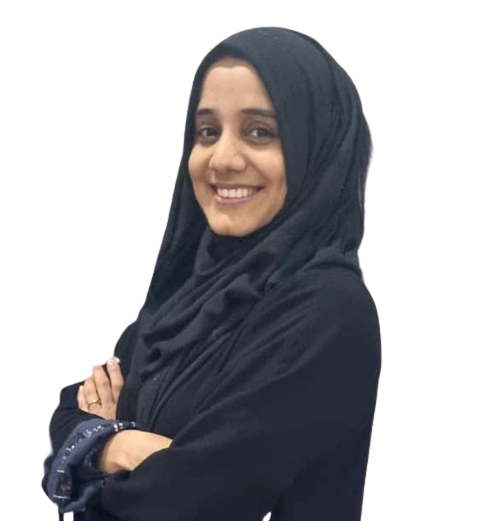 The writer, Zamena Manekia-Manji (Bujumbura, Burundi) is a writer for TMJ News. Born and raised in Dar es Salaam, Tanzania and currently residing in Bujumbura, Burundi, her writing has evolved from fiction to Islamic, contemporary, and historical writings. She works in the history and Islamic events department at TMJ News, where she previously worked as a breaking News writer. Zamena is also a writer for 313juniors, a YouTube channel that works to produce Islamic content for little children, trying to improve her writing with each task. Through her words, she hopes to shed some light on Islamic History and share her thoughts on contemporary views through an Islamic lens, slowly doing her part towards building a better and stronger society.
It’s a norm today: compromising on our Hijab—a religious and mandatory ritual—in a quest to fit into this modern world. In my opinion, this compromise does not necessarily stem from a lack of faith, but rather from a lack of understanding of the importance of the Hijab and the constant pressure to belong. In this modern world, where modesty is often misunderstood and even looked down upon, holding on to our Hijabs can sometimes feel like an uphill battle.
It’s hard, but not impossible—to balance our religious rituals with modern life. While age-old traditions passed down to us by generations are being questioned and researched, they are also valued, probably now more than ever. But the question prevails: how do we hold on to religion in a world that is increasingly secular and modern?
This is a vast topic, but I will narrow it down to one religious ritual close to my heart: the Hijab.
With the dominating presence of social media flooded with images of air-brushed women with hourglass figures, the insecurity and pressure are real. So where do we draw the line in a world that believes female objectification is female empowerment?
Perhaps here is where we need to understand that by applying a veil over our outward beauty, we empower ourselves by only allowing what we choose to reveal to the world. You see, in a world that glorifies external beauty, our bodies, lifestyles, and even our struggles are expected to be shareable, marketable, and consumable.
Here is where the Hijab’s importance is illuminated. A veil shifts the focus from appearance to presence, from performance to purpose. The Hijab compels onlookers to focus on what you’re saying and doing, and not how you look.
Consider this: the Hijab is our superhero cape, not a barrier. We are out here to redefine what it means to be a woman in a world that constantly reduces us to mere tools of sexualization. The Hijab elevates one’s intellect over exterior beauty, unshackling the absolutely unrealistic beauty standards set by society.
So let’s go ahead and make that reel for our Instagram pages—but with our Hijabs on. Let’s educate the world, using the power of social media, on why we wear the Hijab and how it empowers us, rather than shedding it for a few hundred likes. Let’s learn to balance this sacred religious ritual with modern life, chasing our goals with our veils as our shining armor.
Latest posts
Writers Panel | A Simple Thought | Obituaries | Ziarat Ashura | Islamic Calendar | Facebook | Instagram