

The writer is a professional engineer, PMP certified, and a community volunteer.

Sura Ankaboot -29:45
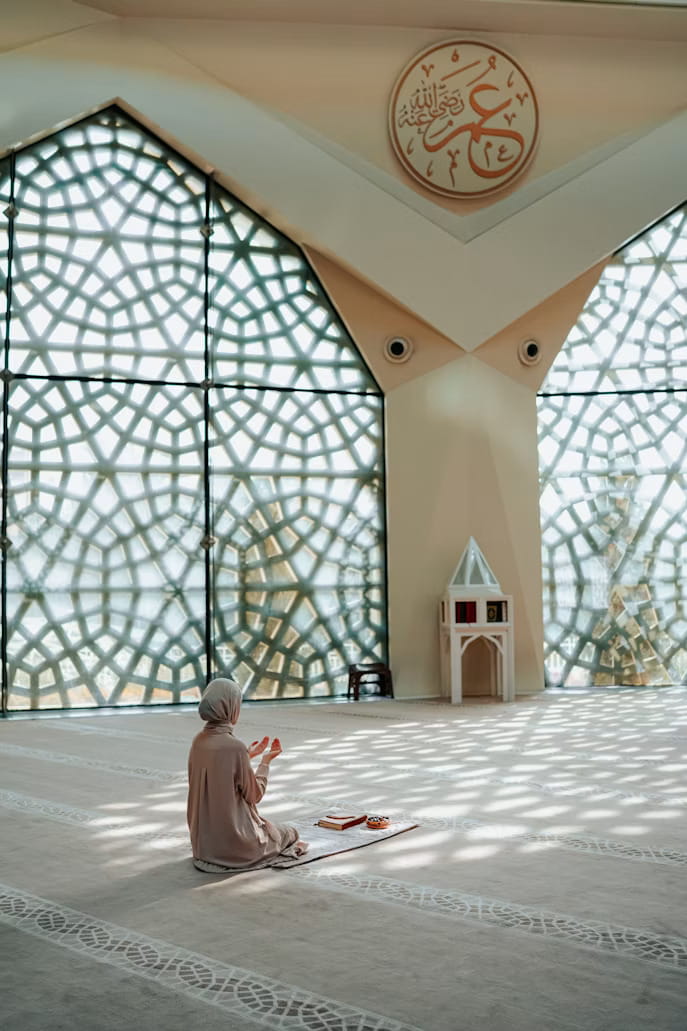
Surely prayer keeps (one) away from indecency and evil,
A young man who engaged in many activities which are considered Sins, but who still regularly attended congregational prayers with the Imam. When some companions of Imam Ja’far al-Sadiq (as) expressed their surprise at seeing the Imam tolerate the presence of such a notorious sinner, the Imam replied with wisdom and foresight: “His prayer will eventually stop him”.
Over time, due to the constant performance of the prayer (Salah), the young man’s character and heart transformed. His commitment to prayer eventually led him to abandon his sinful lifestyle entirely and become a righteous individual.
The lesson from this story, which is often recounted in Islamic teachings, is the profound impact of prayer as a preventive and reformative measure against evil deeds and sins, as also mentioned in the Quran (29:45): “Indeed, the prayer prohibits from immorality and wrongdoing
Lack of God-consciousness (Ghaflah – heedlessness)
Imam ?Al? (?a) said:
“How many are the worshippers whose heedlessness is greater than their remembrance, and how many are those who pray, yet they gain nothing from their prayer but exhaustion.”
(Nahj al-Bal?ghah, Saying 109)
- When the heart becomes occupied with dunya (worldly concerns), prayer starts to feel like an interruption instead of a meeting with the Beloved.
Recent posts
- True self-development
 True self-development by Asgar Jafferali Dhanji While physical growth is easy to see, your mind, character, and professional capability evolve in ways that are much harder to gauge. If you look back five years, you are likely not the same person you were then. You are constantly evolving, but reaching the next level of your personal development requires conscious, deliberate action.
 - Adl
 Adl by Sheikh Fattah The concept of justice (‘Adl) occupies a foundational position in Islamic theology and ethics, serving as a lens through which the relationship between the Creator and creation is understood. In his insightful essay, “Adl – Justice and Decree,” originally published in the spring 1984 issue of the journal Nuradeen, Sheikh Fattah provides a concise yet profound exploration of this multi-faceted principle. Drawing extensively from the Holy Quran and the narrative traditions (ahadith) of the Ahlul Bayt – specifically Imam Ali and Imam Ja’far as-Sadiq—the author dismantles the complexities surrounding divine decree, free will, individual morality, and structural social justice. The text functions not merely as an academic exposition of theological doctrine, but as an ethical manifesto that bridges metaphysical truths with practical human responsibility.
 - Eternal Life
 Eternal Life by Ayatullah Murtadha Mutahhari Ayatullah Murtadha Mutahhari’s Eternal Life is a concise but profound exploration of one of Islam’s central beliefs: that human life does not end with death. Drawing on the Qur’an, hadith, Islamic philosophy, and rational argument, Motahhari presents the Hereafter not as a distant abstraction but as the destination that gives meaning to every thought, choice, and action in this world. The book is especially valuable for readers seeking a clear, reasoned introduction to Islamic teachings on death, the soul, barzakh, resurrection, and eternal life.


