

The writer is a professional engineer, PMP certified, and a community volunteer.

Sura Ankaboot -29:45
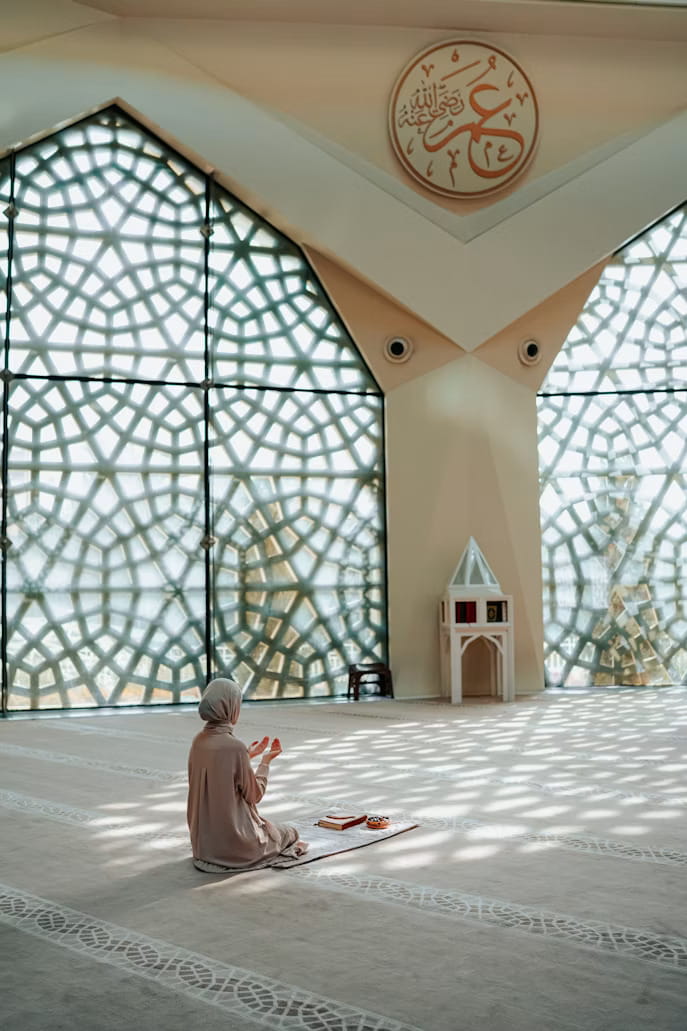
Surely prayer keeps (one) away from indecency and evil,
A young man who engaged in many activities which are considered Sins, but who still regularly attended congregational prayers with the Imam. When some companions of Imam Ja’far al-Sadiq (as) expressed their surprise at seeing the Imam tolerate the presence of such a notorious sinner, the Imam replied with wisdom and foresight: “His prayer will eventually stop him”.
Over time, due to the constant performance of the prayer (Salah), the young man’s character and heart transformed. His commitment to prayer eventually led him to abandon his sinful lifestyle entirely and become a righteous individual.
The lesson from this story, which is often recounted in Islamic teachings, is the profound impact of prayer as a preventive and reformative measure against evil deeds and sins, as also mentioned in the Quran (29:45): “Indeed, the prayer prohibits from immorality and wrongdoing
Lack of God-consciousness (Ghaflah – heedlessness)
Imam ?Al? (?a) said:
“How many are the worshippers whose heedlessness is greater than their remembrance, and how many are those who pray, yet they gain nothing from their prayer but exhaustion.”
(Nahj al-Bal?ghah, Saying 109)
- When the heart becomes occupied with dunya (worldly concerns), prayer starts to feel like an interruption instead of a meeting with the Beloved.
Recent posts
- The Preparation for the Next Destination
 The Preparation for the Next Destination by Tasnim Asgharali Jaffer As the corpse lay upon the mat, entered into the room from the funeral services, a man. Immediately, he went towards the corpse and knelt beside it, moving it slightly so that the feet of the corpse faced the Qibla. Then, he went towards the head, and closed the half-open eyes gently, before bringing out of his pocket a piece of a long rag and placed it below the jaws of the dead man, tying it firmly upon its head such that the jaws remained firmly shut and in place. Thereafter, he turned towards its limbs, placing them all correctly, straight. The two big toes of the feet, he tied them together as well. Thereafter, he took out a booklet from his front pocket and started reciting the verses of the Holy book as he sat to wait for the arrival of his assistants as well.
- Fear Allah, not people´s judgement
 Fear Allah, not people´s judgement by Alhajj Khalil Mohammed Hassan Champsi Sometimes, the way others see us quietly begins to shape the way we live. Their gaze becomes a mirror in which we measure ourselves; their perceptions become questions we carry; their judgements become shadows over choices that were once our own.
- A Garden Without End
 A Garden Without End Review of Chapter 23 of Bihar Al-Anwaar, Volume 8 Author – The Allama Muhammad Baqir Al Majlisi Chapter 23 of Volume 8 of Bihar Al-Anwaar – the encyclopaedic hadith compendium compiled by the Safavid-era scholar Allama Muhammad Baqir al-Majlisi – is entitled “The Paradise and Its Bounties, and Allah Sustaining Us and the Rest of the Believers, Its Houries, Its Castles, Its Joys and Its Cheerfulness.” Spanning roughly one hundred and eighty pages (pp. 106–285), it sits in the volume between the harrowing chapter on the Bridge over Hell and the chapter on the Fire itself, and it functions as a deliberate counterweight: where the preceding chapters describe terror, this one unfolds an almost luxuriant catalogue of delight. Reading it straight through is a peculiar experience – less a sustained argument than a long, liturgical inventory of a world the believer is invited to imagine as already in existence. This review summarises the chapter’s main themes and offers a few observations on its literary and theological texture.


