
The Prophet
 Javed Naeem Virjee has over eight years of experience in financial audit and risk management, beginning his career at KPMG Tanzania. Currently, he leads the Internal Audit Department at a prominent financial services firm. Drawing on his extensive experience in managing comprehensive financial audits, Javed delves into the complexities of economics and finance in his column for the national newspaper, The Citizen. In addition to his professional endeavours, Javed is deeply committed to community service. He is an elected member of the KSIJ Dar Constitution Review Committee and has previously served as the Hon. Treasurer for the KSIJ Dar Tabligh Board.
Most of us live a bit of a double life; we have the version that shows up for morning prayers or sits quietly in a mosque, and then we have the version that logs into a spreadsheet, manages a storefront, or leads a board meeting. We tend to view our spiritual lives as something that happens in the quiet moments of worship, while the real world of market competition, deadlines, and profit is just a necessity to pay the bills.
What if that divide is exactly why work often feels like a grind? What if the way we handle a supply chain, manage a team, or respond to a difficult email was actually an expression of our faith?
The idea of modelling the Prophet is not about looking backward at history. It is a timeless blueprint for how to be a professional today. Whether we are employees or business owners, this is a shift in perspective moving away from seeing work as just a livelihood to seeing it as purposeful time and resources we have been entrusted with.
The Foundation – Becoming Al-Ameen
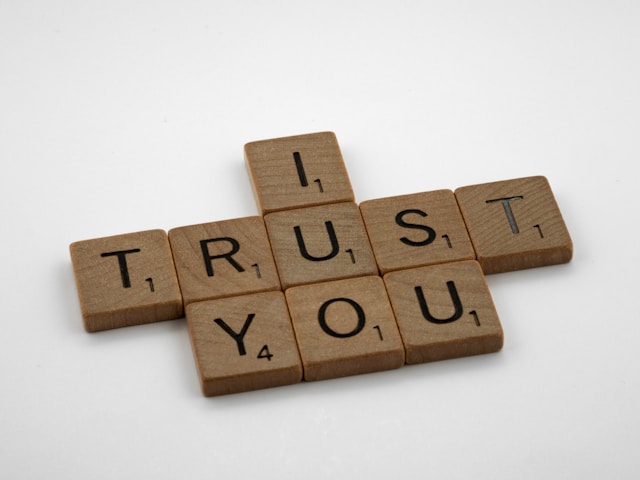
Long before the first verses of the Holy Qur’an were revealed, the Holy Prophet was known by a specific title, Al-Ameen (the Trustworthy). People did not just trust him with spiritual questions, they trusted him with their capital, their trade deals, and their most valuable assets.
In the modern world, we talk a lot about branding and professional identity, but at its core, a brand is just a corporate word for a reputation. Being trustworthy in a professional setting starts with transparency. It is about being the person who points out a defect in a product before the customer notices it, or the employee who fulfils their responsibilities with the same energy when the manager is out of the office.
Whether we are signing the contracts or executing them, real reputation is not built on a polished LinkedIn profile or a shiny marketing campaign. It is built on the unobvious integrity, on the consistent reliability that makes people say, “I do not need to double-check their work; I know they are honest.” When someone trusts us with their money or their time, they are relying on our character.
Leadership and the Sunnah of Empowerment
Leadership can often be misunderstood as a position of power, but the Prophetic way offers a different model – compassionate, service-oriented leadership. This applies whether we are managing a hundred people or just managing a single project with a colleague.
The Holy Prophet did not demand respect through a title, he earned it through consistency in character. In our own workspace, this means leading by example. We cannot expect a team to be punctual, detail-oriented, or honest if we are consistently sloppy with our own contributions.
There is a famous Islamic principle of paying a worker before their sweat dries, which speaks to a broader professional dignity. It means valuing the people we work with as human beings with lives outside the office.
When we lead with compassion, we become service leaders. Our primary role is no longer just to hit targets, but to clear the path so that those around us can also succeed.
Taqwa – The Internal CEO
In every industry, we have rules, tax laws, and compliance standards. Most people follow them because they do not want to get caught or fined, but the concept of Taqwa (mindfulness of Allah) changes the dynamic of professional ethics.
Taqwa means we regulate ourselves from the inside. It is the realization that every transaction, even the ones that do not show up in a formal audit, are being accounted for. With this internal compass, we do not look for technical loopholes to exploit a supplier or underpay a junior staff member just because it is technically legal. We do not manipulate the fine print of our performance metrics to look better than we are.
This mindfulness is what separates a shrewd operator from a truly great professional. You do not need external policing when your own conscience is in charge. We realize that we are not just the owner or staff; we are all stewards of the time and talent we are given.
The Pursuit of Excellence
Whether you are designing a website, fixing a car, or writing a report, that ‘extra 10%’ of effort is where the magic happens. Attention to detail and continuous improvement are spiritual acts.
When we treat our work as an act of worship, we stop doing the bare minimum for the pay check. We start seeing our skills as a service to others, which naturally leads to better quality and more pride in what we do. Your intellect and your talents are gifts and using them to their full potential is a way of showing gratitude for those gifts.
The Bottom Line – Integrity is Your Legacy
Why bother with any of this? Because at the end of the day, our work is an extension of our character.
We live in a world that measures success by the size of a balance sheet or the loftiness of a title. But the Prophetic Model suggests a different metric. The point of work is not just to make money; it is to be useful. When we shift our focus from what can I get? to how much value can I provide?, the stress of the daily grind begins to shift.
In a global economy that often feels cold and transactional, a person who operates with the trust of Al-Ameen and the mindfulness of Taqwa stands out like a beacon. These are the businesses people want to support and the colleagues people want to follow. By bringing these timeless principles into the workspace, we do not just become more profitable or successful, we become more whole. We turn a livelihood into a legacy.
Latest posts
- The Professional Islamic Model: “Model the Prophet”

- When my Teacher Trust ed Me
- The Divine Architecture
Writers Panel | A Simple Thought | Obituaries | Ziarat Ashura | Islamic Calendar | Facebook | Instagram


