Abdulhussain Muhammed Tejani (Dubai, UAE) is a Change Architect in Leadership and HR and has been involved in many capacities in the community and through pro bono work with youths. Presently, he is the Chief People Officer in Leadership and HR at People Matter, and an accredited Trainer for the Human Capital Institute (US).HR DIRECTOR/ VP HR Human Resources Vice President focused on designing and delivering effective people management, talent development and workforce planning strategies to create a high-performance culture. Built a 24-year career encompassing HR and Learning and development directorships within global healthcare, banking, education, petroleum, market research and information companies covering the MENA region.
Effectively led pre- and post-merger initiatives to integrate and harmonise HR personnel, systems and functions. Developed trust and credibility of the HR function, embedding processes and systems within wider business strategy and monitoring their operational impact. A key influencer and change agent who skilfully liaises with board-level executives, senior management and business unit heads in securing commitment to change management initiatives, as well as policy and procedure implementation. An engaging and inspirational leader adept at coaching, mediating and resolving employee relations issues. Experienced in modernising compensation and benefits structures, as well as establishing strategic partnerships to aid people development and the accomplishment of overarching business objectives.
Success is one of life’s sweetest tests. We ask Allah for openings, ease, barakah, and recognition – and when they arrive, the heart can either soften into gratitude or harden into pride. From a Shi?a perspective, success is never merely a personal achievement; it is a trust (am?nah) and a sign (?yah). It calls us to humility before Allah and to responsibility toward His creation.
In the Qur’an, Allah reminds us that every blessing is from Him. This truth reshapes how a believer understands accomplishment. A promotion, a thriving business, a healed relationship, a child’s progress, a degree earned – these are tangible forms of success. But there are also intangibles that often go unnoticed: a calm heart after hardship, a timely insight, a good friend, a protected reputation, the ability to repent, the gift of dua that still rises even when life is heavy. Many people only count what can be measured, yet the more precious successes are sometimes the ones that cannot be posted or priced.
The Ahl al-Bayt (AS) teach us that humility is not self-hatred, nor is it pretending we have no gifts. Humility is clarity: recognising the true source of our gifts and keeping the ego in its proper size. Imam Ali (AS) emphasises that whatever is in our hands can become a means of elevation or a cause of downfall – depending on whether we see it as “mine” or as something Allah allowed us to carry for a time. When success arrives, the believer does not deny effort, discipline, or skill; rather, they see these too as blessings: the health that allowed the work, the mentors who guided, the opportunities that opened, the unseen protections that prevented harm. Even persistence is a gift.
Gratitude (shukr) in Islam is more than saying “al?amdulill?h.” Shi?a spirituality often describes gratitude as a three-part reality: the heart recognises the blessing, the tongue praises the Giver, and the limbs use the blessing in ways that please Him. This is where success becomes a moral responsibility. If Allah grants you wealth, gratitude is not only generosity – it is also avoiding harm, injustice, arrogance, and extravagance. If Allah grants you influence, gratitude includes speaking truth with wisdom, not using status to humiliate others. If Allah grants you knowledge, gratitude means teaching and serving, not gatekeeping or looking down on those who are still learning.
The Qur’an gives us a powerful caution through Qarun, who claimed that his wealth came “only because of the knowledge I possess.” His spiritual error wasn’t that he had wealth – it was that he severed the blessing from its Source, and treated success as proof of superiority. In contrast, the believer treats success as proof of Allah’s generosity and as a reminder of how quickly conditions can change. This awareness protects the heart from entitlement. Today you are celebrated; tomorrow you may be forgotten. Today you are strong; tomorrow you may need help walking. Humility is remembering the fragility of the human condition and the permanence of Allah’s Lordship.
At the same time, Islam does not ask us to fear success or feel guilty for it. Success can be a form of divine facilitation (tawf?q). The key is to “handle” it correctly – like carrying a full cup without spilling it. One practical way is to anchor your wins in prostration. Sajdah is the body’s confession that the ego is not the king. When something goes well, make a habit of two rak?ahs of shukr, or a sincere sajdat al-shukr, even briefly. Let your first response be worship, not a victory lap.
Another way is to train yourself to notice the intangibles as deliberate blessings. Not everyone is granted a supportive spouse, a mother’s dua, a teacher’s patience, or a friend who warns you when your character slips. Not everyone is granted a heart that still feels remorse after a sin – this is an immense mercy. Shi?a tradition places a special emphasis on dua and inner reform; this draws attention to the “hidden” successes: sincerity, restraint, improved akhl?q, and the quiet turning back to Allah. When you recognise these, your gratitude becomes deeper and your humility more stable, because your worth is no longer tied only to external outcomes.
Handling success also requires ethical guardrails. Ask yourself: Has this success made me more gentle or harsher? More generous or more guarded? More prayerful or more distracted? A believer does not measure success solely by what increases comfort, but by what increases closeness to Allah. The Ahl al-Bayt teach that the true winner is the one who conquers the nafs. If a worldly victory inflates the ego, it may actually be a spiritual loss. But if it increases service, gratitude, and restraint, it becomes a ladder to Allah.
Finally, humility is preserved through service. Nothing deflates pride like using your blessings to lift others. Give quietly. Mentor without condescension. Credit your team. Pray for those who struggle with what came easily to you. Remember that the person you overlook today may be far nearer to Allah than you are. In Shi?a ethics, love of the Ahl al-Bayt is inseparable from compassion and justice – success is meant to expand our mercy, not our ego.
Success is a test, but it is also an invitation: to praise Allah more sincerely, to see both the tangible and intangible gifts with clearer eyes, and to carry our blessings as trusts rather than trophies. When handled with humility and gratitude, success becomes worship – an act of recognising the Giver, honouring the gift, and serving His creation with a softened heart.
Contains information related to marketing campaigns of the user. These are shared with Google AdWords / Google Ads when the Google Ads and Google Analytics accounts are linked together.
90 days
__utma
ID used to identify users and sessions
2 years after last activity
__utmt
Used to monitor number of Google Analytics server requests
10 minutes
__utmb
Used to distinguish new sessions and visits. This cookie is set when the GA.js javascript library is loaded and there is no existing __utmb cookie. The cookie is updated every time data is sent to the Google Analytics server.
30 minutes after last activity
__utmc
Used only with old Urchin versions of Google Analytics and not with GA.js. Was used to distinguish between new sessions and visits at the end of a session.
End of session (browser)
__utmz
Contains information about the traffic source or campaign that directed user to the website. The cookie is set when the GA.js javascript is loaded and updated when data is sent to the Google Anaytics server
6 months after last activity
__utmv
Contains custom information set by the web developer via the _setCustomVar method in Google Analytics. This cookie is updated every time new data is sent to the Google Analytics server.
2 years after last activity
__utmx
Used to determine whether a user is included in an A / B or Multivariate test.
18 months
_ga
ID used to identify users
2 years
_gali
Used by Google Analytics to determine which links on a page are being clicked
30 seconds
_ga_
ID used to identify users
2 years
_gid
ID used to identify users for 24 hours after last activity
24 hours
_gat
Used to monitor number of Google Analytics server requests when using Google Tag Manager


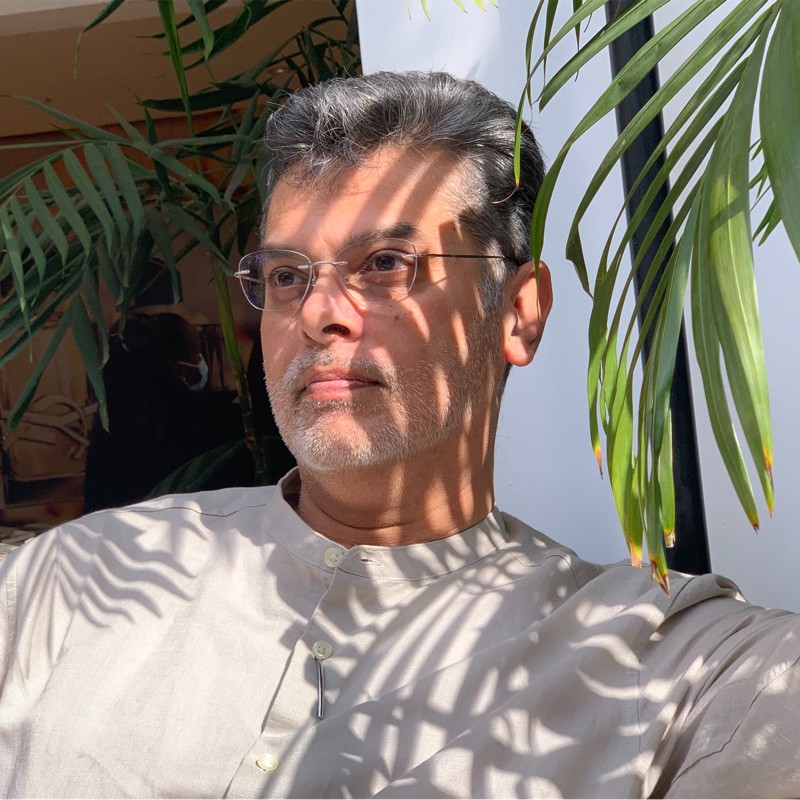 Abdulhussain Muhammed Tejani (Dubai, UAE) is a Change Architect in Leadership and HR and has been involved in many capacities in the community and through pro bono work with youths. Presently, he is the Chief People Officer in Leadership and HR at People Matter, and an accredited Trainer for the Human Capital Institute (US). HR DIRECTOR/ VP HR