

Philosophy of Ageing
 Mohamedarif Mohamed Suleman (Dar es Salaam, Tanzania) is a digital marketing specialist and an Educator-cum-Trainer. He has involved himself in community organisations and matters from a young age, and through his writings, continues to speak of social and cultural reform to this day. He is also the founding moderator of this forum.
Philosophy of Ageing
Longevity and vitality in old age are often attributed to good physical health and a balanced diet. Still, this view overlooks a profound truth: ageing well is woven from the threads of our entire lifestyle – our thoughts, wisdom, relationships, and intellectual engagements. While diet and exercise form the foundation, true longevity emerges from a holistic edifice where mental resilience, purposeful connections, and lifelong curiosity are equally vital.
“To be seventy years young is sometimes far more cheerful and hopeful than to be fourty years old.”
Oliver Wendell Holmes Sr.
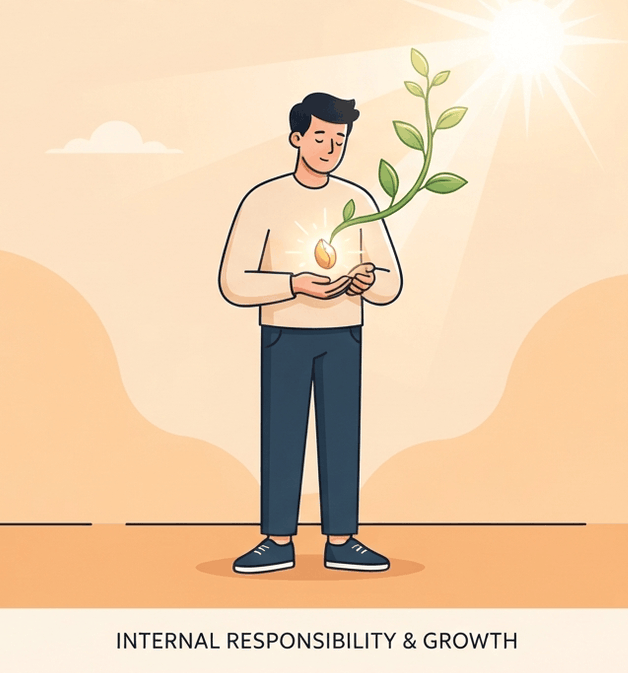
Consider the role of mental habits. Research in psychoneuroimmunology reveals that chronic stress accelerates cellular ageing, while mindfulness and optimism correlate with longer telomeres – the protective caps on our chromosomes. A mind cultivated through gratitude, adaptability, and emotional regulation doesn’t just enhance well-being; it biologically slows ageing. As the Stoic philosopher Epictetus noted, “The chief task in life is simply this: to identify and separate matters so that I can say clearly to myself which are externals not under my control, and which have to do with the choices I actually control.” This mental clarity fosters resilience, reducing inflammation and disease risk.
Equally crucial is wisdom – the application of knowledge through experience. Wisdom isn’t merely intellectual; it’s the integration of emotional intelligence, empathy, and perspective. Elders who embrace wisdom often exhibit greater life satisfaction and lower rates of cognitive decline. They navigate challenges with equanimity, viewing ageing not as decline but as a continuum of growth. This mindset transforms physiological health: studies show that individuals with a strong sense of purpose live up to 7 years longer, as purposeful living reduces stress hormones and boosts immune function
Studies show that individuals with a strong sense of purpose live up to 7 years longer
Finally, the quality of our discussions and social ties shapes longevity. Humans are inherently social; meaningful conversations and community engagement are as nourishing as food. The Harvard Study of Adult Development, spanning 85 years, found that close relationships were the strongest predictor of a long, healthy life – more impactful than genetics or cholesterol levels. Engaging in dialogues that challenge, inspire, or comfort keeps the mind agile and the spirit connected. Isolation, conversely, is as lethal as smoking 15 cigarettes a day.
In essence, longevity is not a passive outcome of good genes or green smoothies but an active creation. It thrives where curiosity meets compassion, where wisdom guides choices, and where relationships anchor us. As we age, our lifestyle becomes our legacy – not just in years lived, but in the depth of our humanity. True health in old age is an ecosystem: nutrition and exercise are the rhythm, but thoughts, wisdom, and connections are the melody that makes life worth living.
As we age, our lifestyle becomes our legacy – not just in years lived, but in the depth of our humanity
In the end, the necessity of insight in guiding our actions is more pertinent in the current tech-driven era. The evidence and reasoning presented in this essay demonstrate that technology’s pervasive influence is eroding our abilities to think deeply, reflect meaningfully, and reason effectively. It is imperative that we recognize the importance of insight and take proactive steps to cultivate it. By doing so, individuals can navigate the complexities of life more effectively, making decisions that are guided by deep knowledge and awareness, ultimately leading to more fulfilling outcomes. The future of our ability to think critically and make informed decisions depends on our capacity to balance technological engagement with the cultivation of insight.
Recent posts

Search by date
Writers Panel | A Simple Thought | Obituaries | Ziarat Ashura | Islamic Calendar | Facebook


