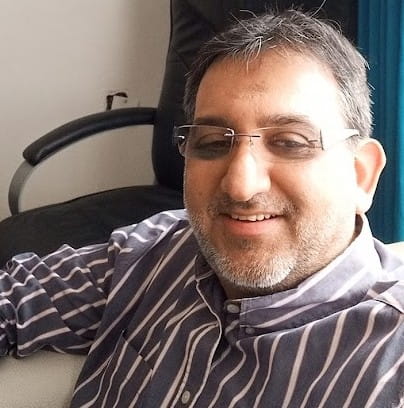
A digital marketing specialist and an Educator-cum-Trainer. He has involved himself in community organisations and matters from a young age, and through his writings, continues to speak of social and cultural reform to this day. He is also the founding moderator of this forum (1996).
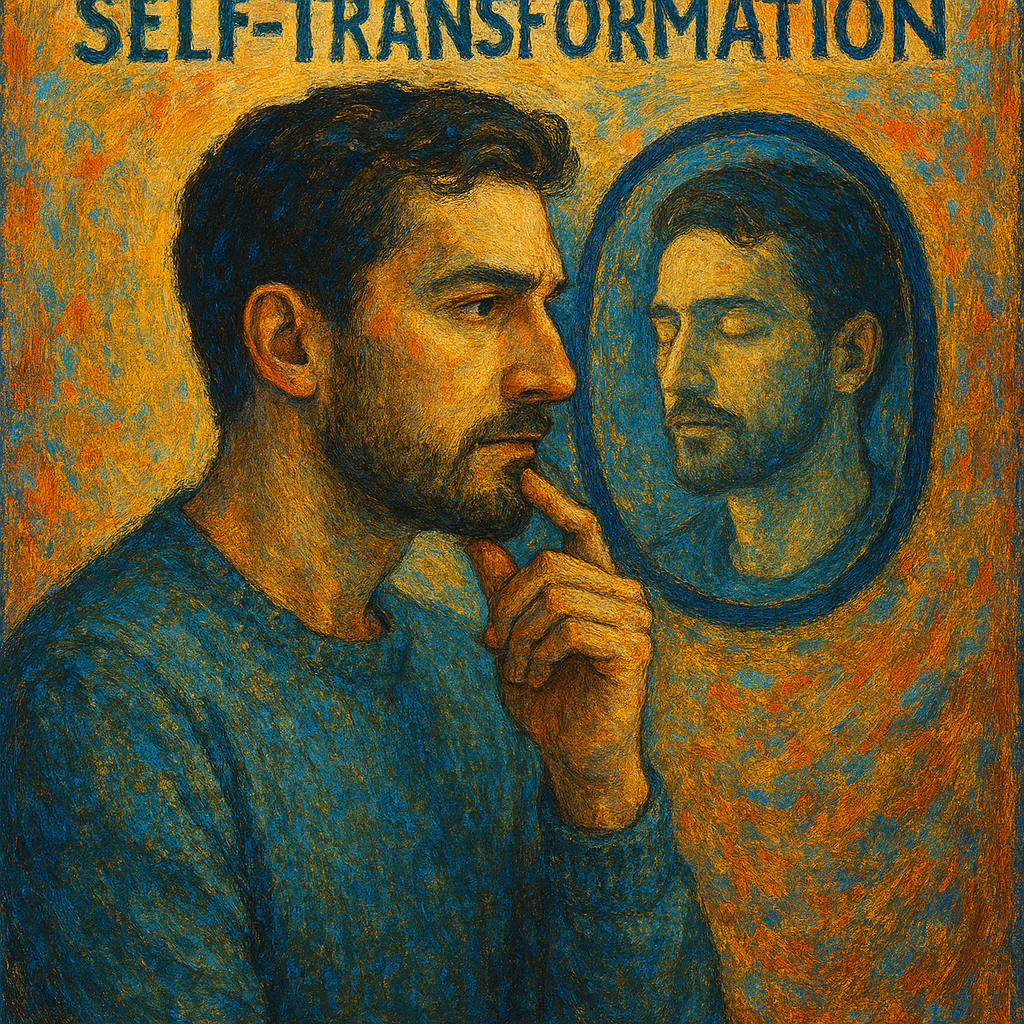
Embodying Husayni Virtues
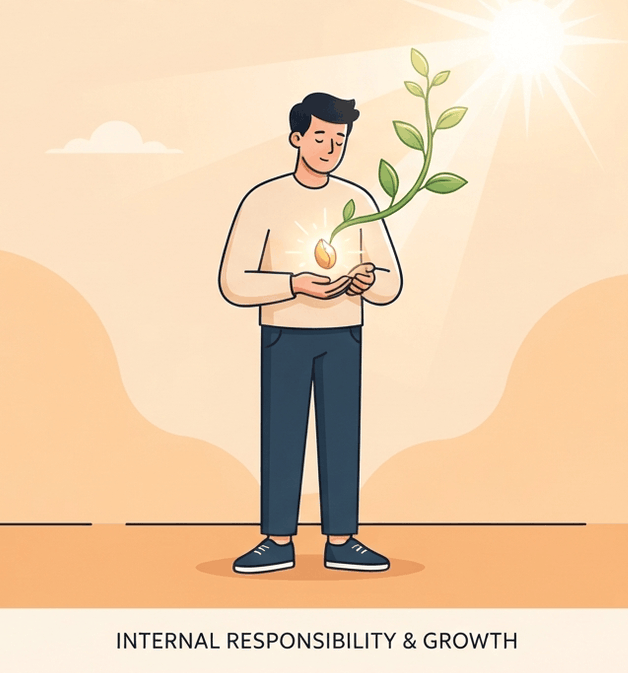
Self-transformation is a profound journey that involves introspection, commitment, and the consistent effort to embody virtues that elevate both the individual and the community. Among the many moral frameworks available, the Husayni virtues – drawing inspiration from the exemplary life of Imam Husayn ibn Ali (AS) – offer a compelling blueprint for personal growth and societal betterment. Embodying these virtues requires a deep understanding of their essence and a dedicated effort to manifest them in daily life.
Imam Husayn ibn Ali (AS), the grandson of Prophet Muhammad (SAW), is revered in Islamic history for his unwavering stand against tyranny, injustice, and oppression. His life epitomises virtues such as justice, patience, sacrifice, humility, compassion, and steadfastness. These virtues are not merely abstract principles but active qualities that guide behaviour, shape character, and influence interactions with others.
Justice, for instance, was the core of Husayn’s resistance against the oppressive Umayyad regime. His sacrifice at Karbala was rooted in the pursuit of justice and the defence of truth.
Patience and humility are evident in his demeanour, even in the face of suffering and death.
Compassion is reflected in his concern for the oppressed and his willingness to sacrifice personal comfort for the greater good. Embodying these virtues requires an active commitment to align one’s actions with these moral principles.
The journey of self-transformation begins with sincere reflection. It involves critically examining one’s character, intentions, and actions, and identifying areas where virtues need to be cultivated or vices need to be eradicated.
Reflection on the life of Imam Husayn (AS) serves as a mirror, inspiring individuals to emulate his virtues and integrate them into their own lives. Contemplating the virtue of justice encourages individuals to stand against injustice in their personal and social spheres. It prompts questions such as: Am I fair in my dealings? Do I defend the rights of others? Do I stand against injustice when I witness it?
By regularly reflecting on these questions, one can develop a moral compass that guides ethical behaviour.
Similarly, reflecting on Husayn’s patience during trials teaches resilience and perseverance. In a world filled with challenges and temptations, cultivating patience becomes essential for personal growth. It involves understanding that self-transformation is a gradual process, often requiring endurance and steadfastness.
Embodying these virtues is an active process that involves intentional actions and choices.
It is not enough to admire these qualities; one must seek to manifest them consistently. This can be achieved through small acts of justice, compassion, humility, and sacrifice in daily life.
For instance, practising humility may involve acknowledging one’s limitations and showing gratitude for others’ contributions. Demonstrating compassion might mean helping someone in need or listening empathetically to others’ concerns. Upholding justice may involve speaking out against unfair treatment or advocating for the marginalised.
Furthermore, embodying Husayni virtues requires resilience in the face of adversity. Like Imam Husayn, who faced death with unwavering conviction, individuals must develop inner strength to remain true to their moral principles, even when it is difficult or unpopular. This resilience is cultivated through spiritual practices, self-discipline, and a conscious commitment to moral excellence.
Self-transformation is also influenced by the community and collective reflection. Engaging with others who share similar values fosters accountability, encouragement, and shared growth. Discussions, study circles, or community service pivoted in Husayni virtues reinforce the importance of these qualities and inspire ongoing efforts.
Additionally, reflective practices such as meditation, journaling, or prayer help solidify one’s resolve and deepen understanding. By regularly contemplating the virtues exemplified by Imam Husayn, individuals reinforce their commitment and remain focused on their moral goals.
The path of self-transformation through Husayni virtues is not without challenges. Societal pressures, personal weaknesses, and external temptations can hinder progress. Overcoming these obstacles requires perseverance, self-awareness, and reliance on spiritual resources. However, each challenge presents an opportunity for growth. Failures and setbacks serve as lessons, motivating individuals to renew their resolve. The story of Imam Husayn itself is a testament to resilience and unwavering commitment, inspiring believers to persevere in their moral journey.
Embarking on the journey of self-transformation by embodying Husayni virtues is a lifelong process rooted in reflection, intention, and action. It calls for a sincere effort to emulate the qualities that Imam Husayn demonstrated – justice, patience, humility, compassion, and sacrifice – and to integrate these virtues into every aspect of life. As individuals commit to this path, they not only elevate their own character but also contribute to the creation of a more just, compassionate, and harmonious society. Ultimately, embodying Husayni virtues transforms the self and the world, fostering a legacy of moral excellence that transcends generations.
Recent posts
- True self-development
 True self-development by Asgar Jafferali Dhanji While physical growth is easy to see, your mind, character, and professional capability evolve in ways that are much harder to gauge. If you look back five years, you are likely not the same person you were then. You are constantly evolving, but reaching the next level of your personal development requires conscious, deliberate action.
 - Adl
 Adl by Sheikh Fattah The concept of justice (‘Adl) occupies a foundational position in Islamic theology and ethics, serving as a lens through which the relationship between the Creator and creation is understood. In his insightful essay, “Adl – Justice and Decree,” originally published in the spring 1984 issue of the journal Nuradeen, Sheikh Fattah provides a concise yet profound exploration of this multi-faceted principle. Drawing extensively from the Holy Quran and the narrative traditions (ahadith) of the Ahlul Bayt – specifically Imam Ali and Imam Ja’far as-Sadiq—the author dismantles the complexities surrounding divine decree, free will, individual morality, and structural social justice. The text functions not merely as an academic exposition of theological doctrine, but as an ethical manifesto that bridges metaphysical truths with practical human responsibility.
 - Eternal Life
 Eternal Life by Ayatullah Murtadha Mutahhari Ayatullah Murtadha Mutahhari’s Eternal Life is a concise but profound exploration of one of Islam’s central beliefs: that human life does not end with death. Drawing on the Qur’an, hadith, Islamic philosophy, and rational argument, Motahhari presents the Hereafter not as a distant abstraction but as the destination that gives meaning to every thought, choice, and action in this world. The book is especially valuable for readers seeking a clear, reasoned introduction to Islamic teachings on death, the soul, barzakh, resurrection, and eternal life.