We are grateful to the following supporters who make our work possible. may Allah (SWT) reward them in abundance, Aameen (Note: Clicking on the centre of any sliding image, will open a lightbox for larger images and descriptions)
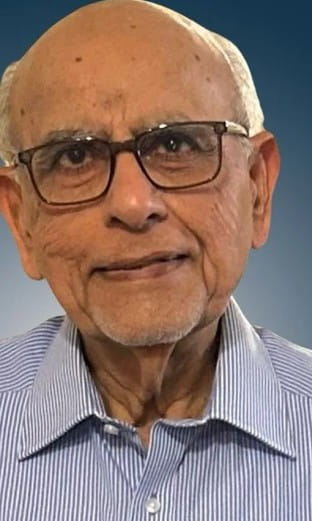
It is through the remembrance of those who have proceeded us, that we can relate to our own finality as we spend the few years of our lives in trying to serve and to build a prosperous hereafter. Readers are requested to remember these members with a kind thought and a heartfelt prayer. (Note: Clicking on the centre of any sliding image, will open a lightbox for larger images and descriptions)
This publication originally started as print magazine in Nairobi under the auspices of the Haydari Madrasah. Later on, with greater demand for online material and demand to suppress costs as well as reach a wider audience, TC on Friday, became an online "Friday supplement". In the early 2000s, the forum received the support of The World Federation, giving their blessings to the publication as well as helping in its broadcast.
Again, with passage of time, changes are imminent as we now move to a more interactive state - a blog. To this end, I seek the support of all members who can contribute their valuable time and written material to the forum, which is being read all across the world.
Thank you
M Suleman
Moderator