Abbas Hussein Nazarali 1947-2018

Abbas Murad Kermalli 1966-2022

Abbas Ramzanali Manji 1964-1993
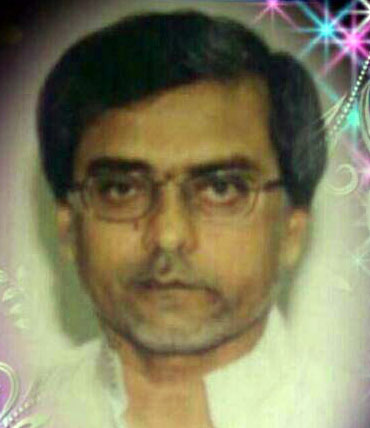
Abdulhamid Najafali Dhala 1948-2014

Abdulrasul Ahmed Lakha 1934-2006

Abdulrasul Gulamali Abdulrasul 1936-2020
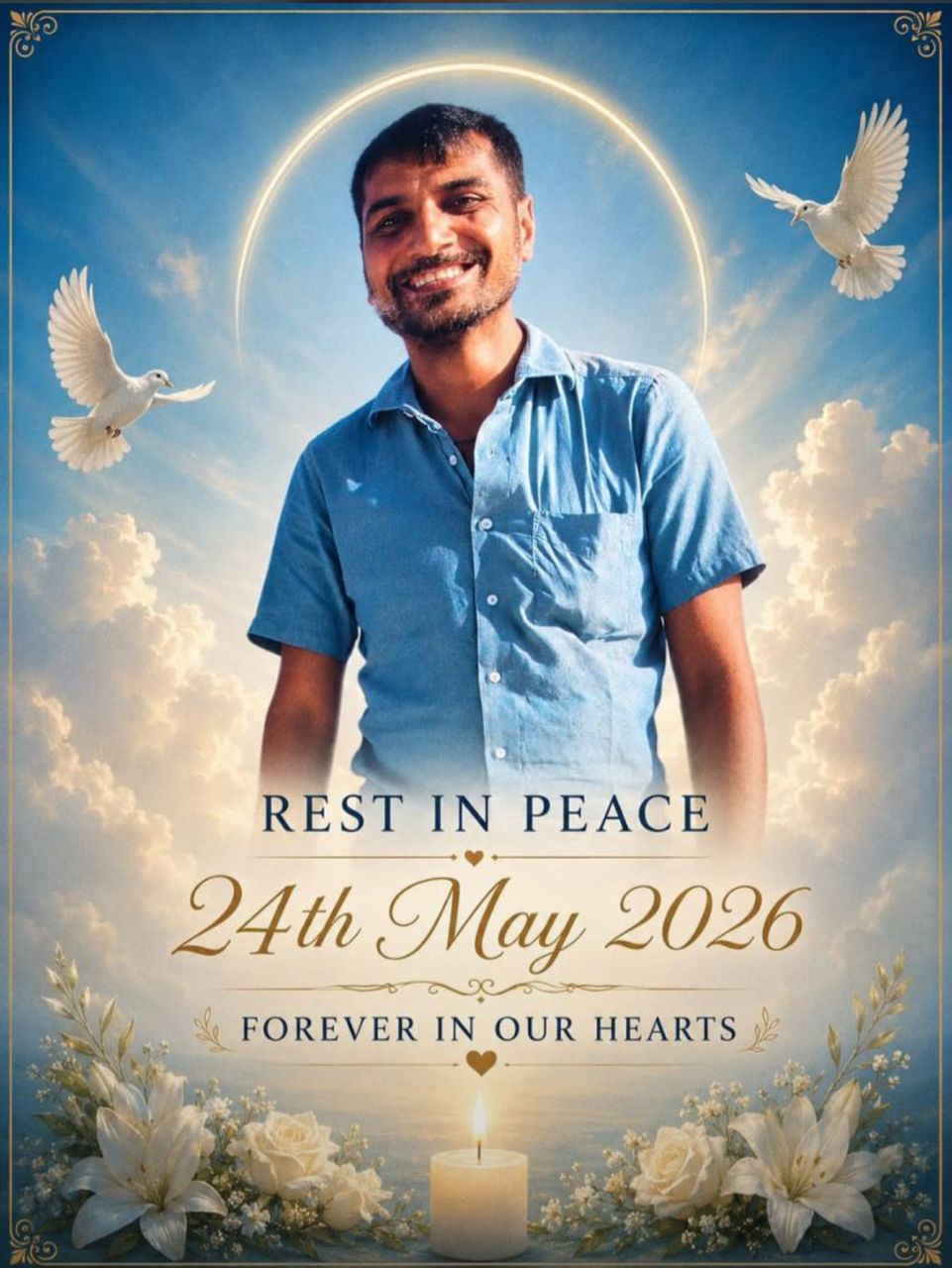
Abidali Murtaza Dhalla 1985-2026
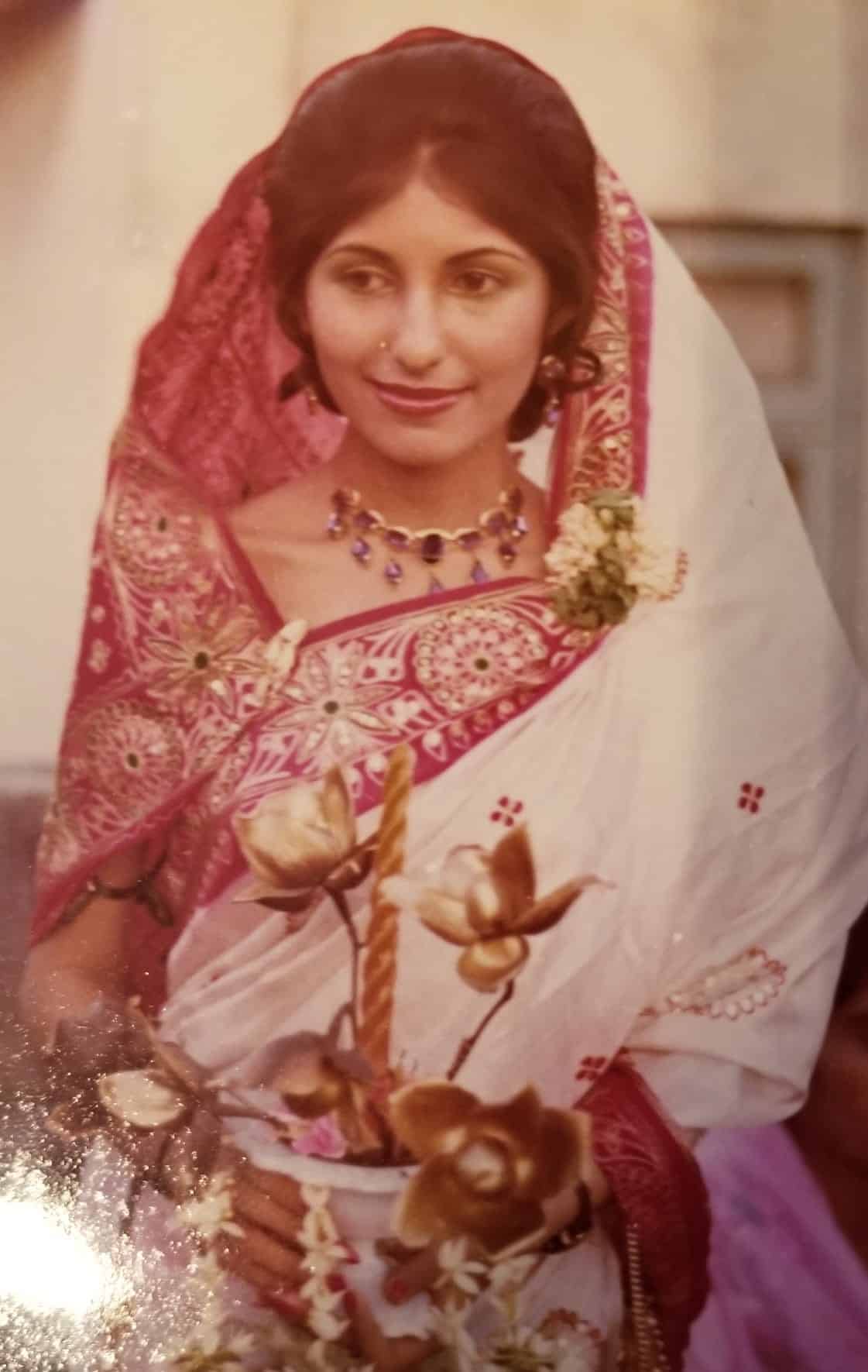
Aiman Muslim Chatoo 1957-1976

Akber Gulamhussein Virjee 1942 2005

Akber Mohamed Jaffer 1950-2021

Akber Nasser Thawar 1924-2016

Akber Roshanali Hameer 1950-2022
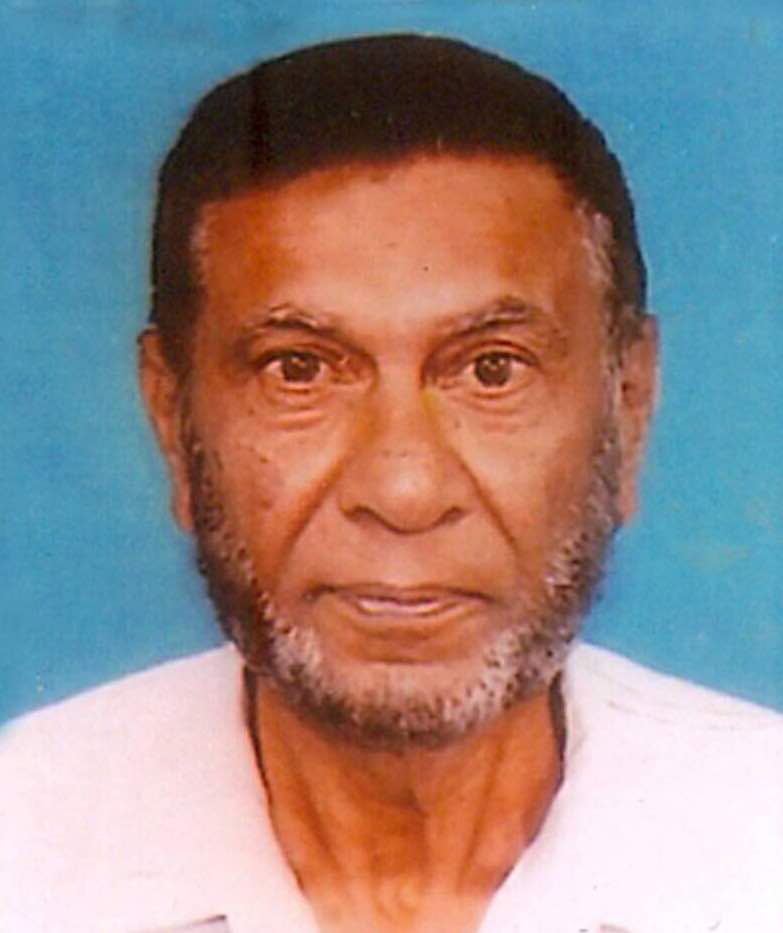
Akberali AbdulHussein Shabanali 1944-2017

Akberali Jafarali Rajani 1953-2017

Akhtarhussein Shaukatali Nayani 1957-2024
Akil Mustafa Alidina 1970-1994
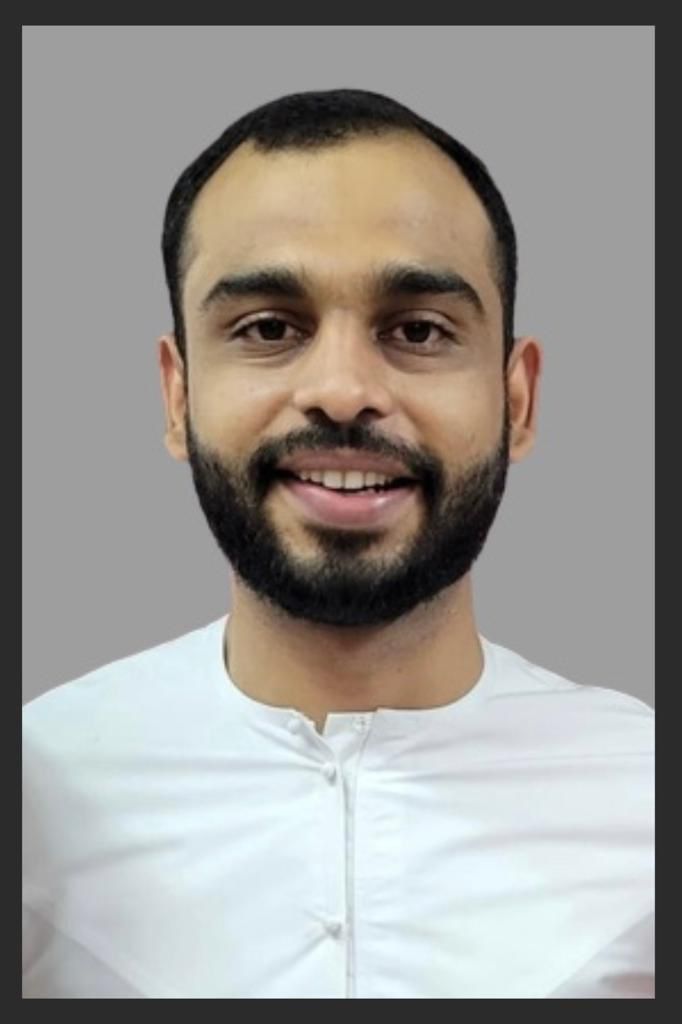
Ali Sajid Walji 1997-2022

Aliasgar Mohamedhussein Nanji 1934-1993

Alihusein Nasser Jiwan 1924-1977

Aliraza Abdulrasul Nanji 1941-2016
Aliraza Mohamedhussein Nanji 1936-2009
Aliunaqi Habib Jan Mohamed Jaffer 1954-2026

Altaf Razahussein Fazal 1975-2017

Anver Gulamhussein Karmali 1941-2021

Anwarali GulamHussein Virjee 1939-2003
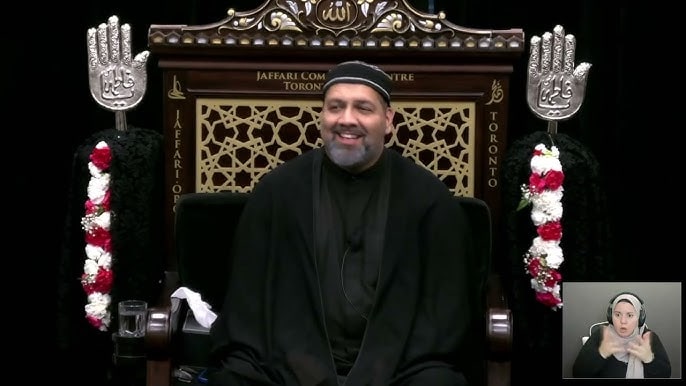
(Syed) Asad Mohammed Jafri (1978 – 2023)
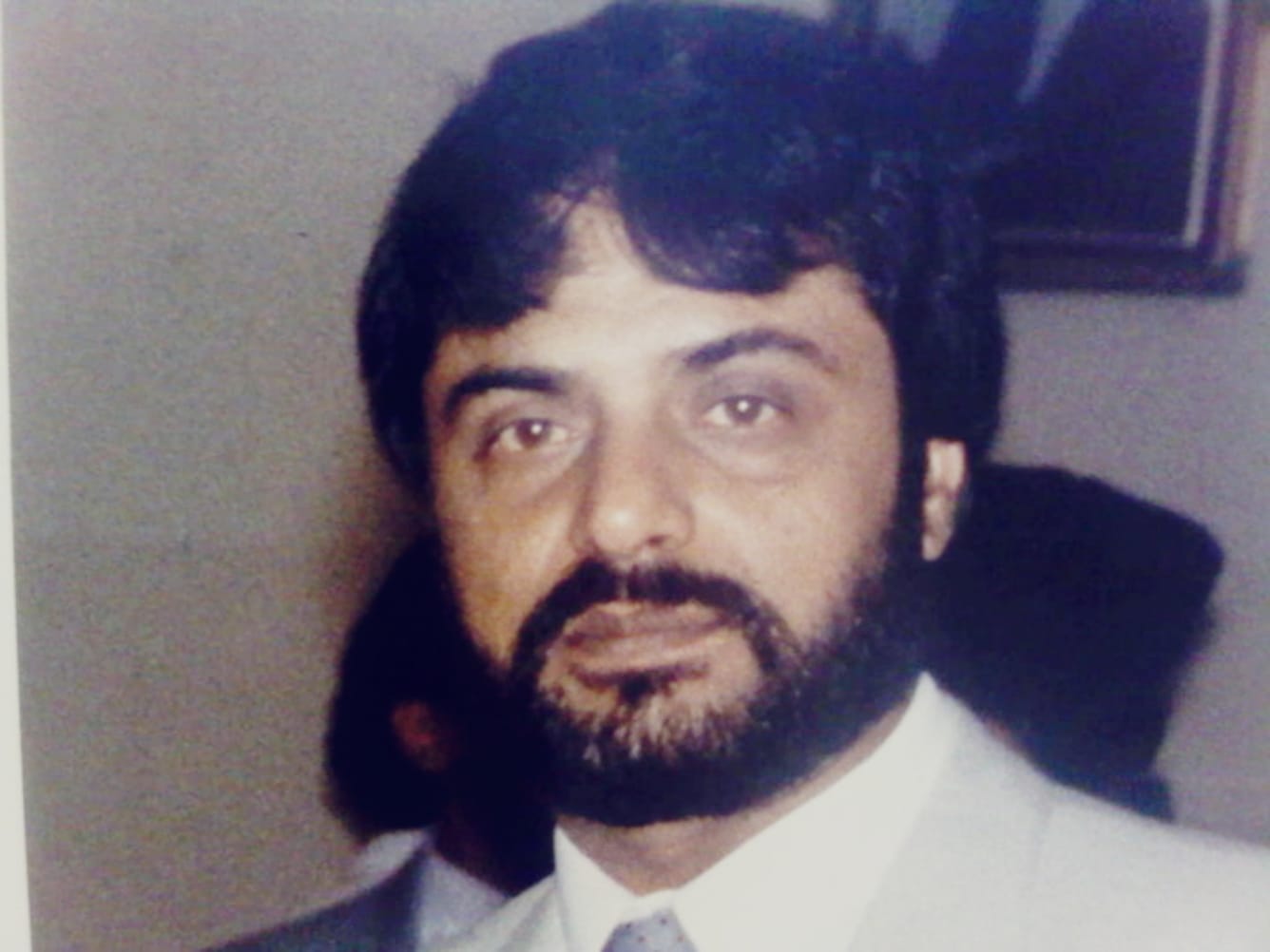
Asghar Jafferali Rajani -1988

(Mulla) Asgherali Mohamed Jaffer
Asif Mussa 1970-2025

Assir Mohamed Sondarjee -2017

Azizulhussein Mohamedali Padhani 1940 -2023

Bachoo Suleman Shivji 1902-1991
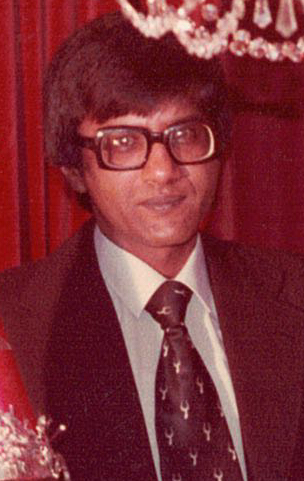
Barkatali Mohamedali Dinani 1946-1988

Bashir Abdulrasulali Nanji 1954-2015

Ebrahim Hussein Sheriff 1923-1964

Fatima Yasmin Rustamali Fazal 1946-2024
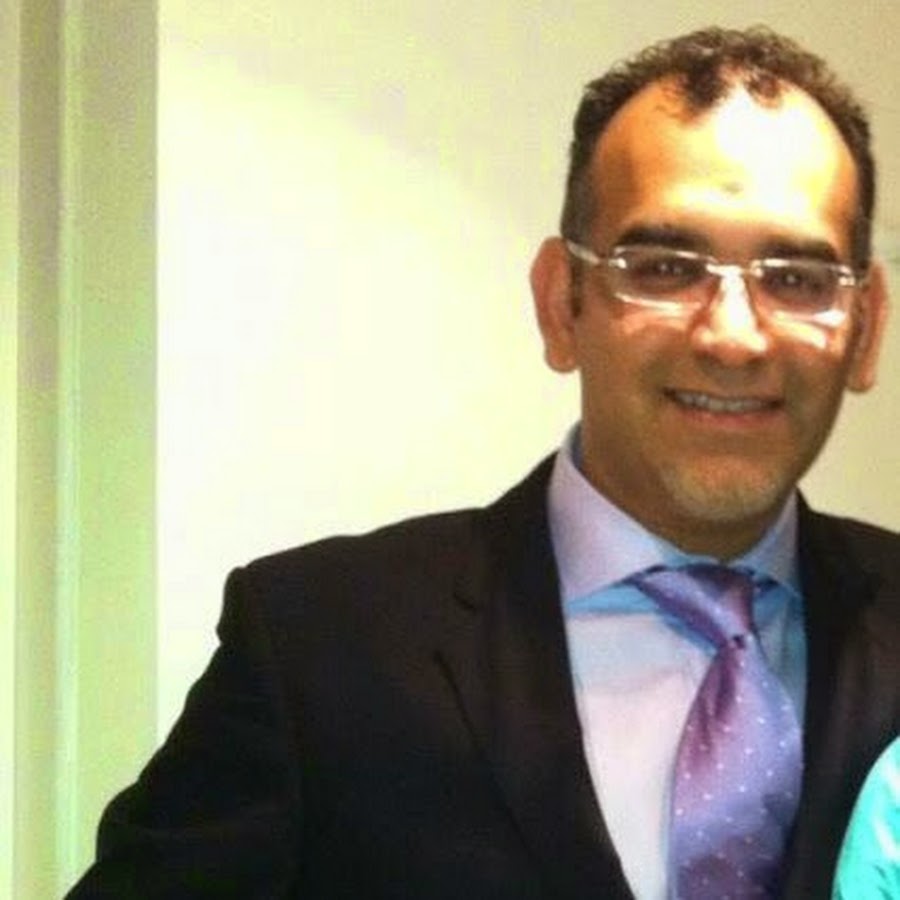
Fazal Asgarali Virani 1974-2022

Fidahusein Abdalla Hameer 1921-2011
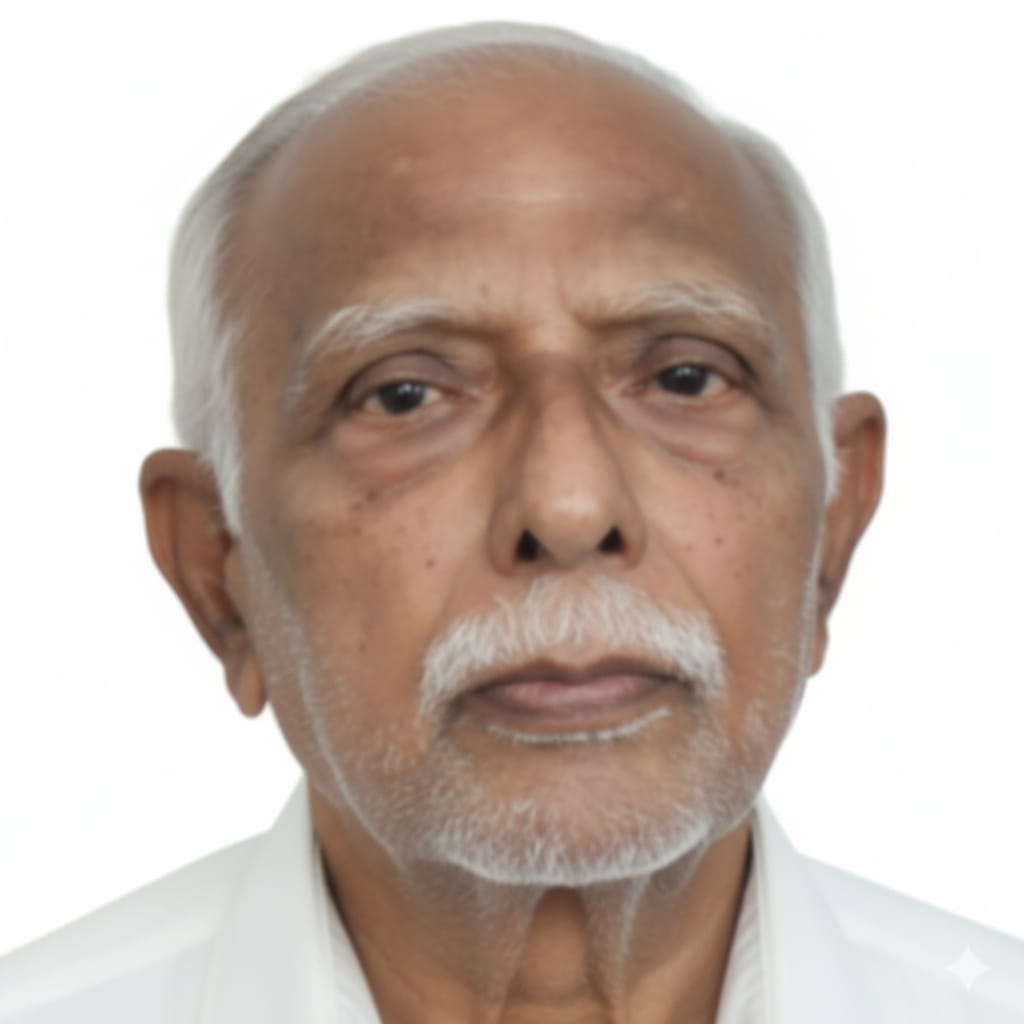
(Mulla) Fidahussein AbdulKarim 1939-2010
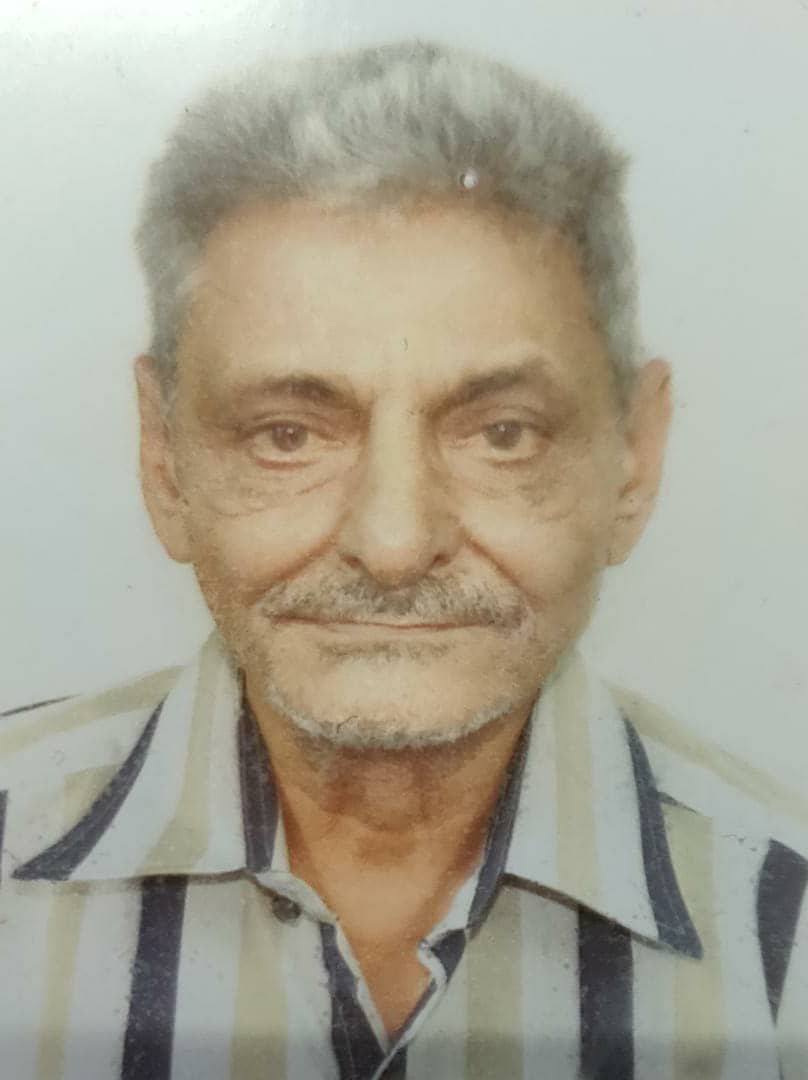
Firoz Mohamedali Versi -2019

Gulam Ali Merali Chagani 1941-2014

Gulamali Saleh Jacksi 1922-1987

Gulamraza Pyarali Dewji -2018

Haider Mohamed Khimji 1927-2018

Hassanali Gulamhussein Virjee 1917-2002

(Syed) Hassan Ansar Naqvi 1955-2021

Hussein Esmail Rawji 1936-2005

Hussein Gulamhussein Virjee 1944-2007
Hussein Jadavji Dhanji 1928-2011

Hussein Mohamedali Datoo 1945-1994

Hussein Pyarali Merali 1954-2022

Hyderali Mohamed Gangji 1959-2022
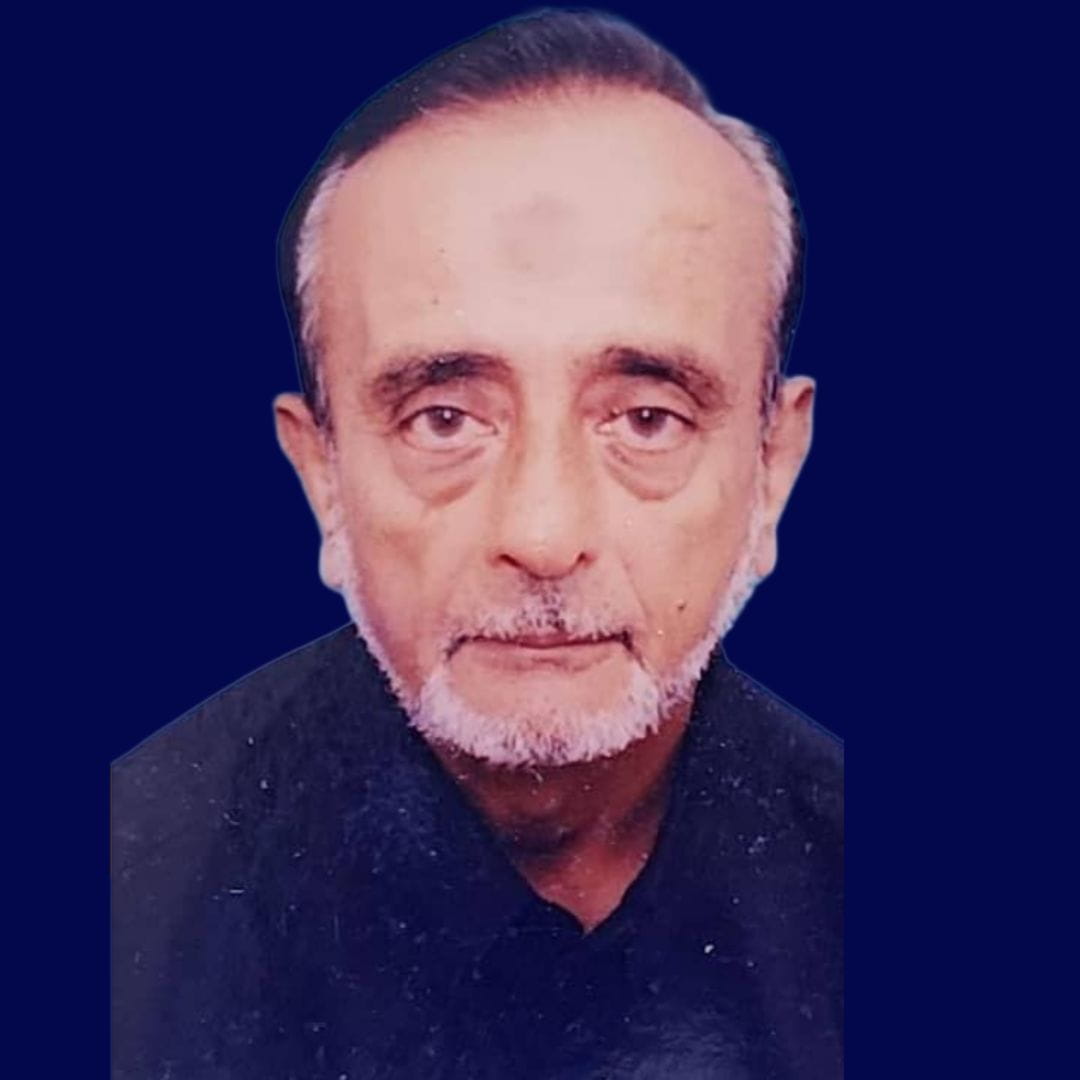
(Maalim) Ibrahim Husseinali Nathoo 1942-2024(1)

Ismail Fidahussein Abdulkarim 1961-2021

Jaffer Ahmed Aladin 1972-2011

Jaffer Gulamhussein Esmail 1956-1972

Jahangir Kassamali Poptani -2014

Jameel Yusuf Kermalli 1969-2020
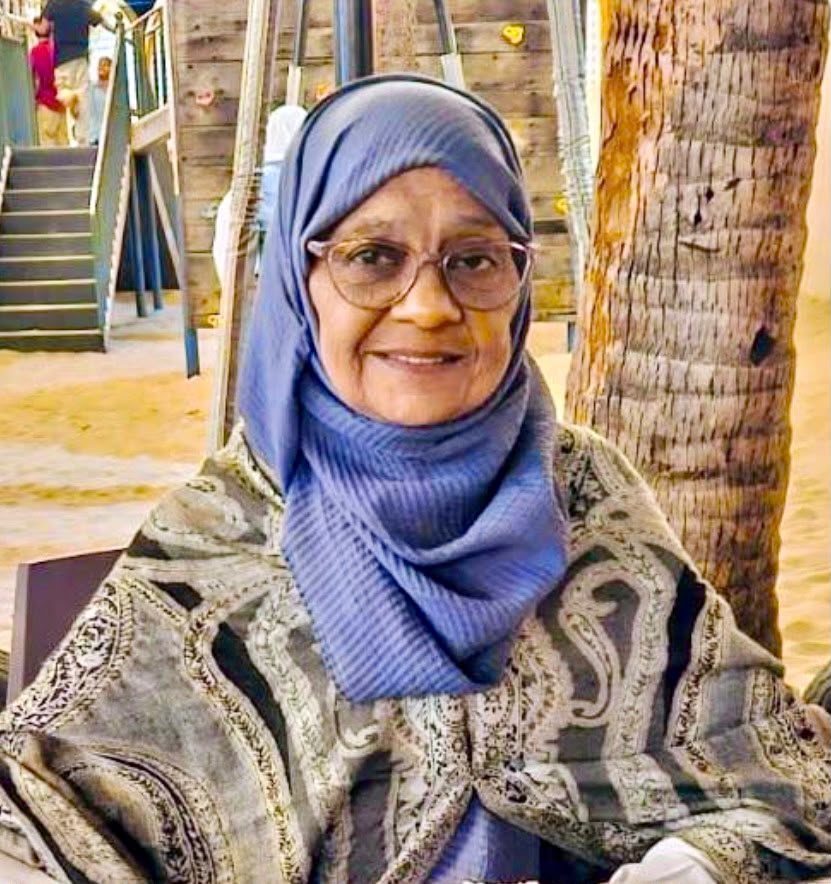
Kanize Zehra Roshanali Sumar 1945-2026

Kassamali Abdulrasul Chandoo 1937-2013

Liyakatali Akberali Khimji 1947-2015

(Maalim) Liyakatali Gulamali Chandoo 1950-2017
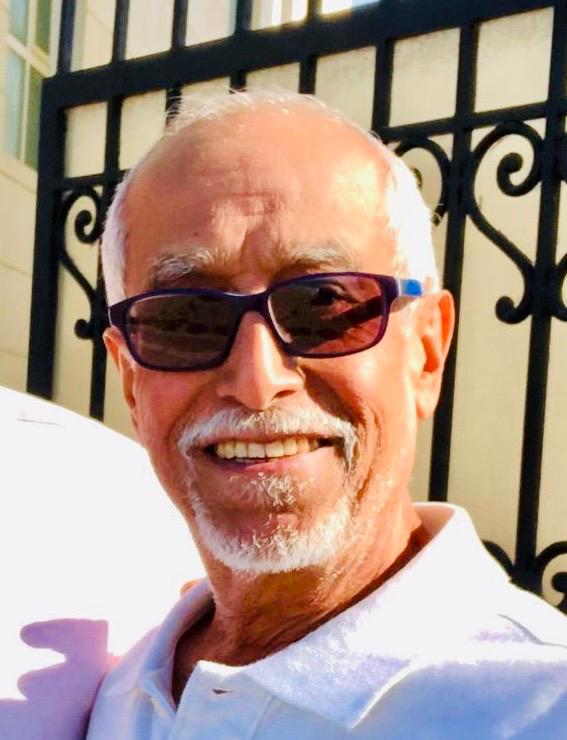
Mahmood Hassanali Virjee 1951-2020

(Mulla) Mahmood Pyarali Merali 1941-2025
Marziya Kazim Hasham 1945-2016

Mehboob Fidahussein Fazal 1952-2015
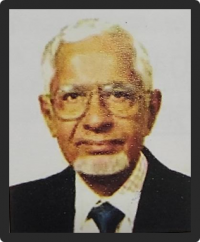
Mohamed Baqir Alloo 1928-2009

Mohamed Ebrahim Sherally 1965-2015

Mohamed Jafferali Dhanji 1938-2014

Mohamed Fazal Virani 1939-1997
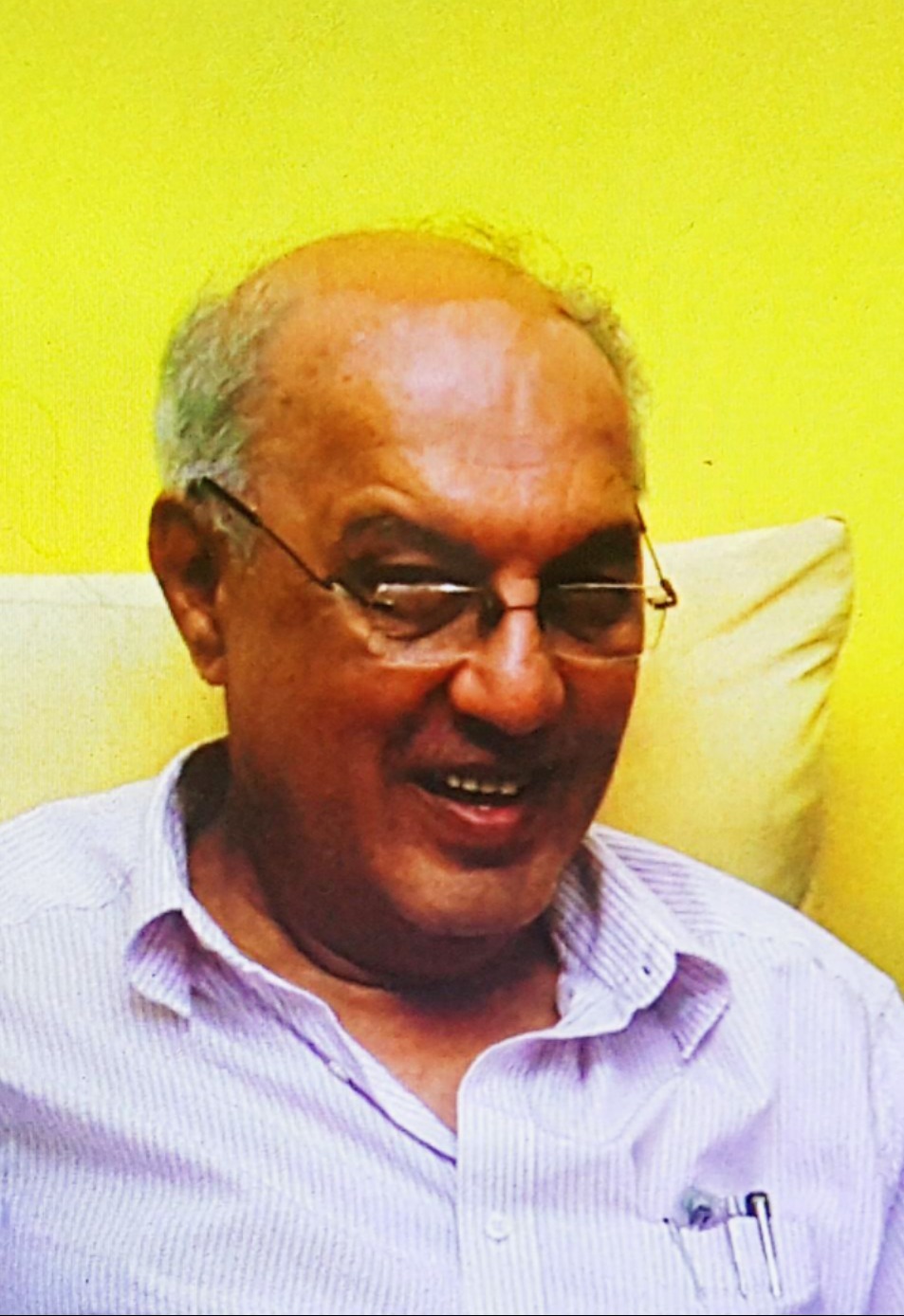
Mohamed Fidahussein Rawji Jessa 1945-2016

Mohamedali Gulamhussein Pardhan 1932-2018

Mohamedali Hasham Dewji 1913-1993

Mohamed Hussein Taki Manek

Mohamedrafik Rashid Dhalla 1941-2022

Mohamedraza Ahmed Datoo 1939-2012
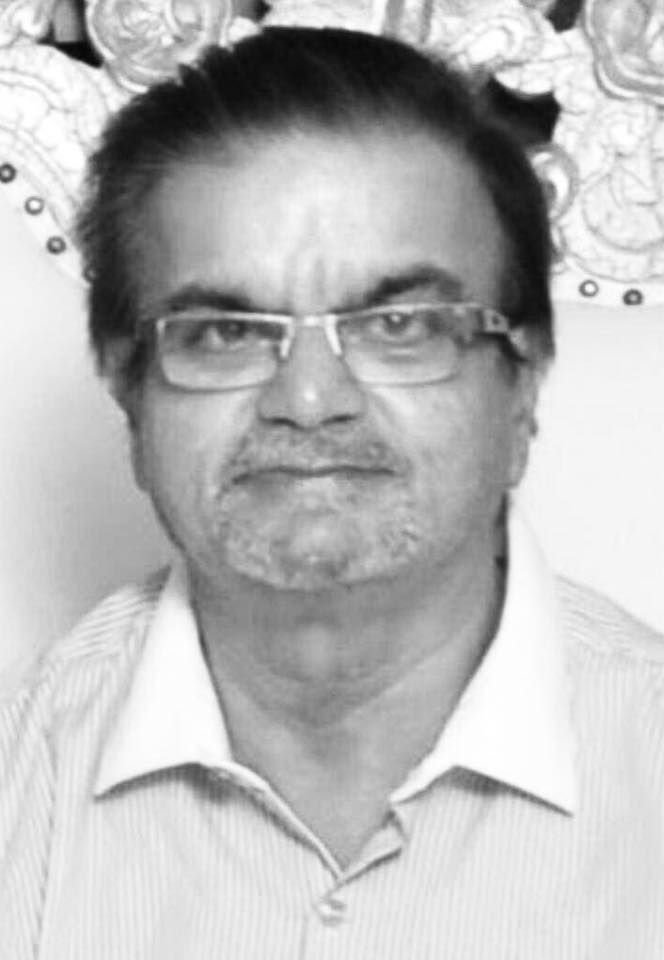
Mohamedraza Mohamedali Rhemtulla 1958-2017

Mohamedtaki Kassamali Dhanani 1934-2020

Mohammed Bachoo Mohammed 1935-2017
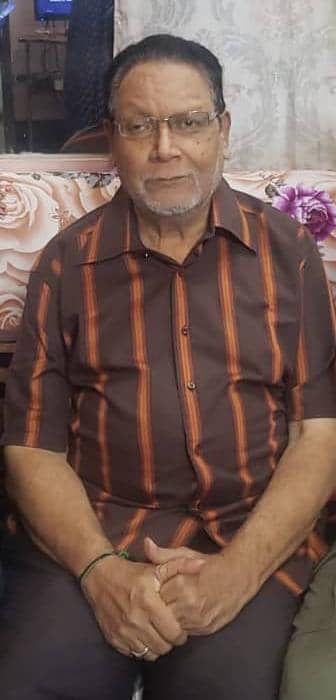
Mohammed Aziz Pirmohamed 1948-2025

Mohammed Rafik Gulamali Somji (1934 - 1989)

Mohammedhassan Abdulrasul Champsi 1932-2007

Mohammedhussein Mahmood Kara 2000-2023

Mohsin Mohamedali Dinani 1947-2024
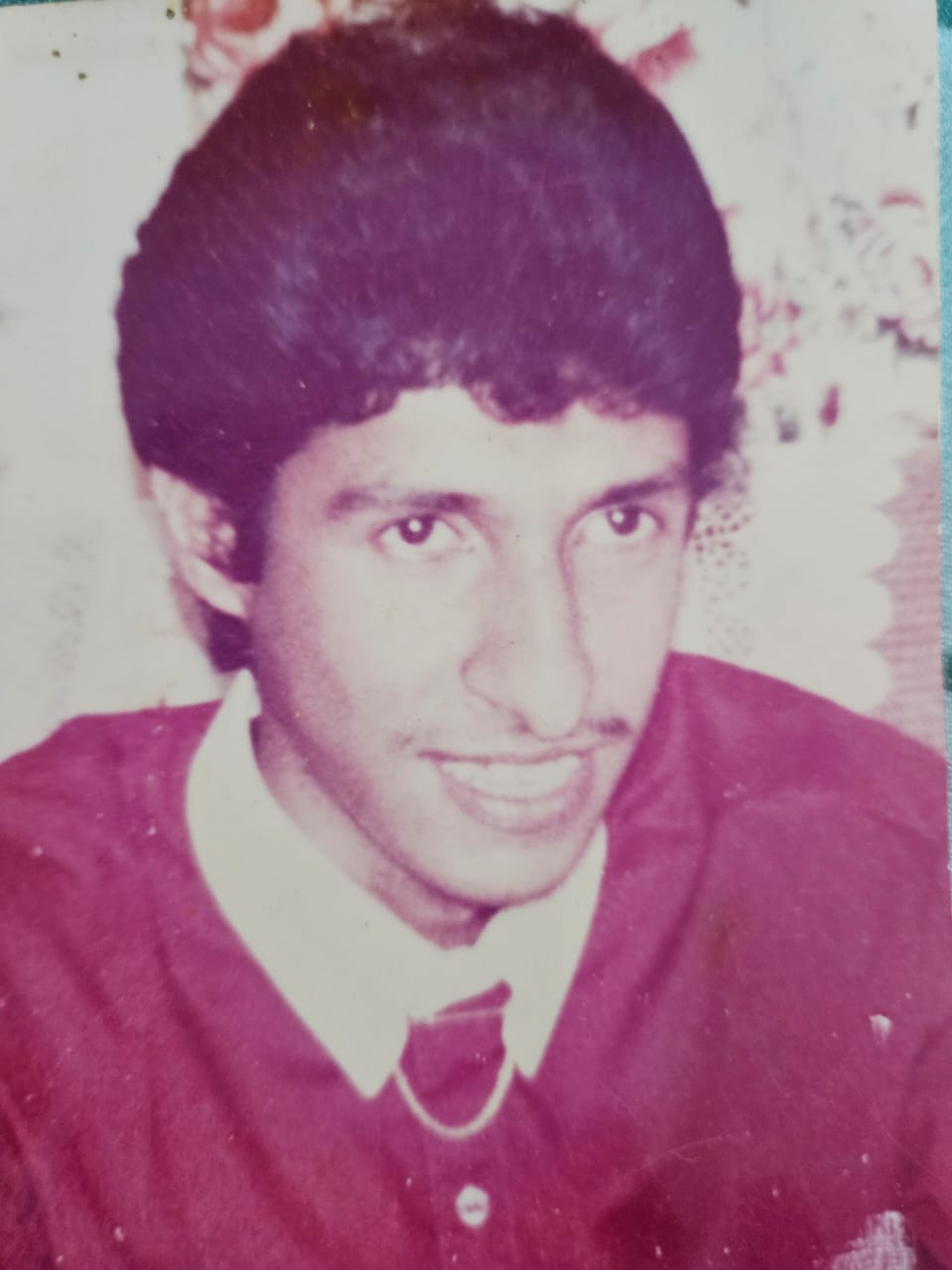
Mohsin Yusufali Bharwani 1969-1989

Muhammad Liyakatali Chandoo 1996-2022
Mujtaba Shabbir Bhalloo -2017
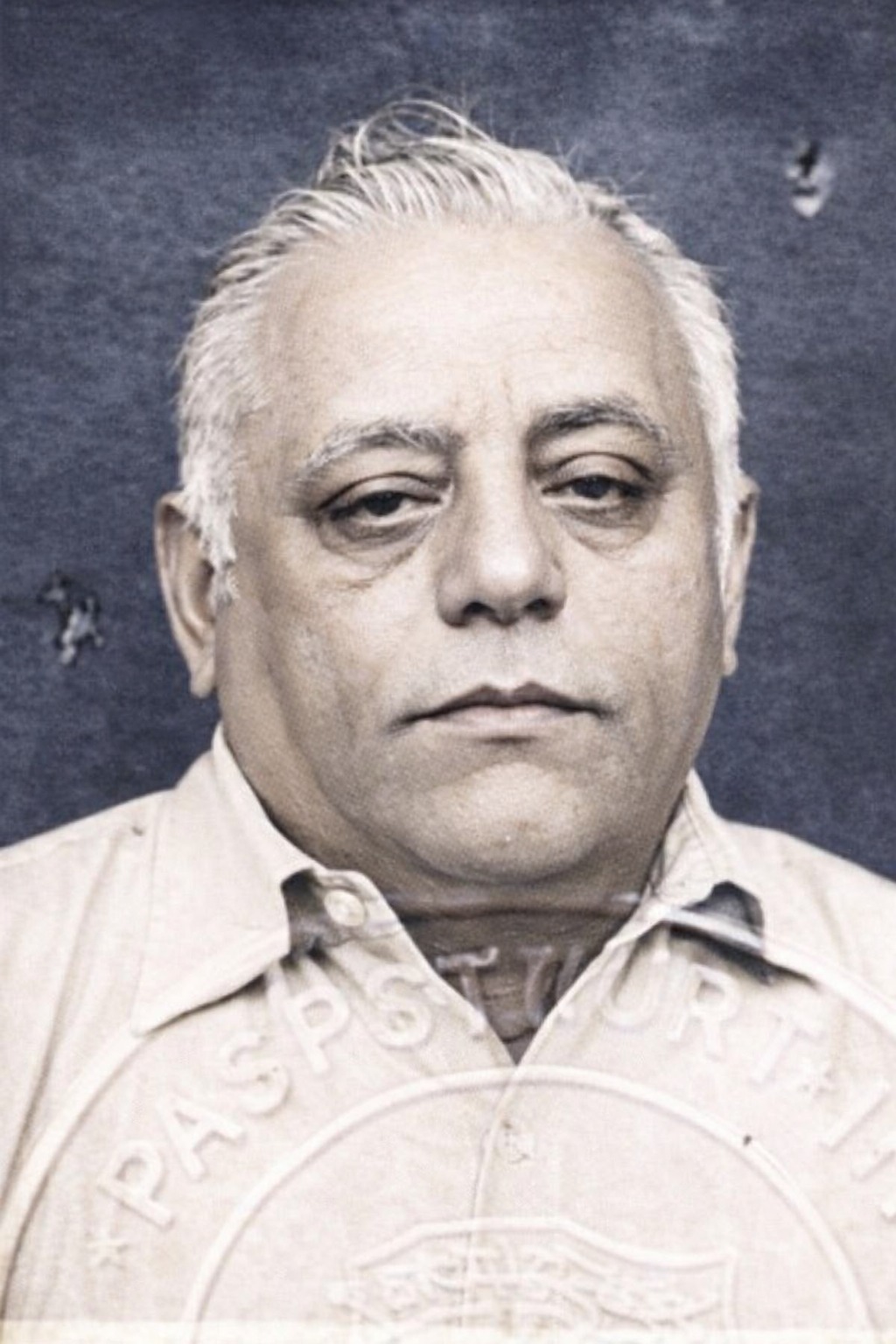
Mukhtar Merali Alibhai 1926-1988

Mukhtar Mohammedhussein Khimji 1948-2025

Munavver Yusufali Kermali
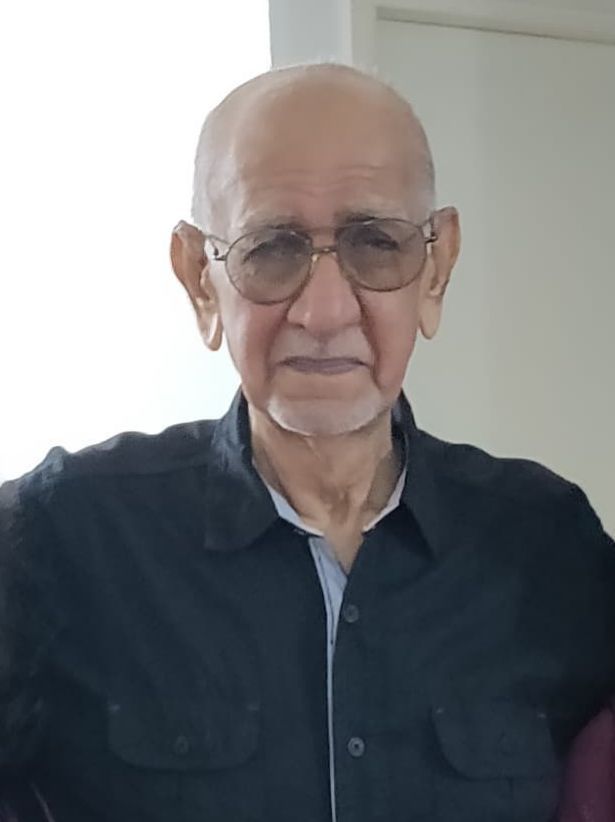
Murtaza Abdulrasul Nanji 1942-2026

Murtaza Akber Dewji 1958-2021

Murtaza Akberali Walji 1946-2017

Murtaza Muhammad Merali 1943-2020
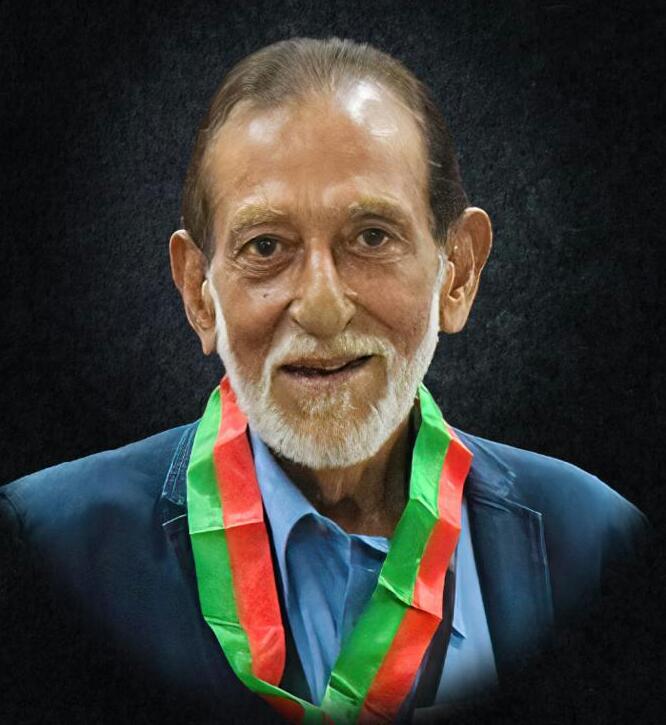
Murtaza Ramzanali Jivraj ( Karbala) 1946-1921

Mushtaqali Asgherali Kassam 1967-2024

Muslim Abdurasul Chatoo 1926-1996

Muslim Kassamali Habib 1927 2017
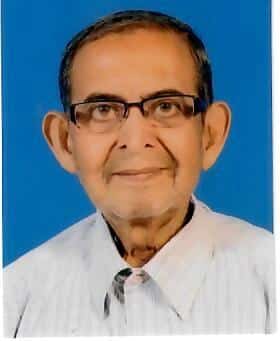
Mustafa Fazal Karmali 1949-2026

(Mulla) Mustafa Mawjee -2016
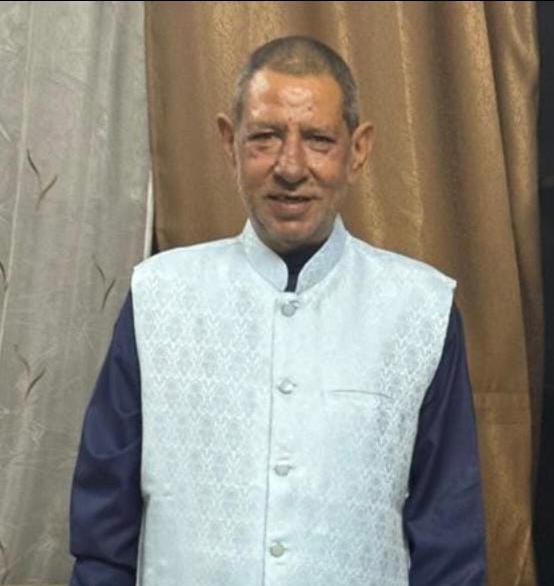
Mustafa Pyarali Bhimji 1969-2026

(Maalim) Najafali Mohammadtaqi Tejani 1919-2001

Nargis Hussein Nazarali 1916-1996
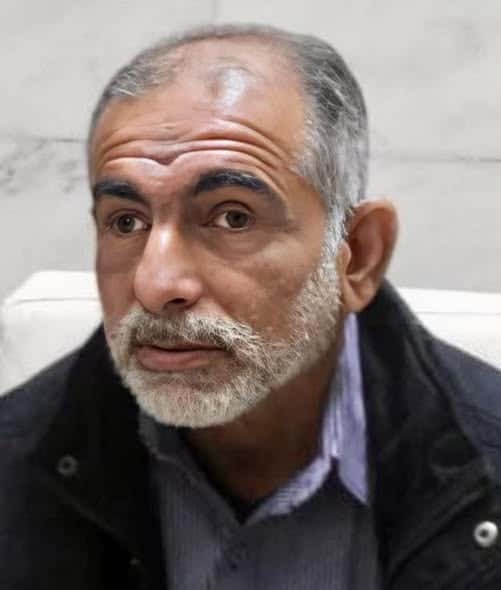
Naushad Abdulkassim Walji 1953-2018
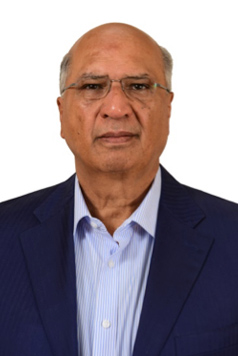
Naushad Noorali Merali 1951-2021
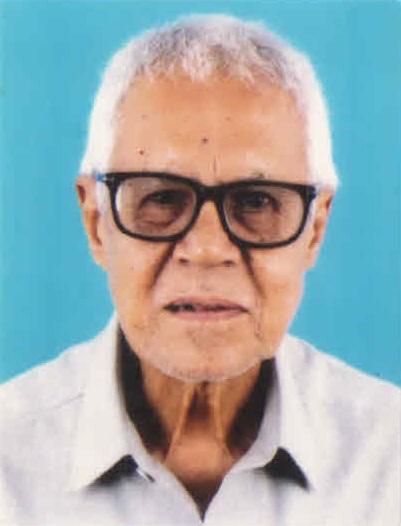
Nizarali Yusufali Alloo 1951-2025

Pyarali Esmail Rawji (1925-2007)

Pyarali Kassamali Bhimji 1943-2018

Pyarali Mohamedhussein Nanji 1939-1991

Pyarali Mohamedali Shivji 1940-2024

Pyarali Ravji Shivji 1946-2024

Razahussein Mohamed Manji 1944-2016

Raziya Hussein Datoo 1950-2012

Riyaz Anwer Rajabali -2018

Razahussein Lalji Mamdani -2019
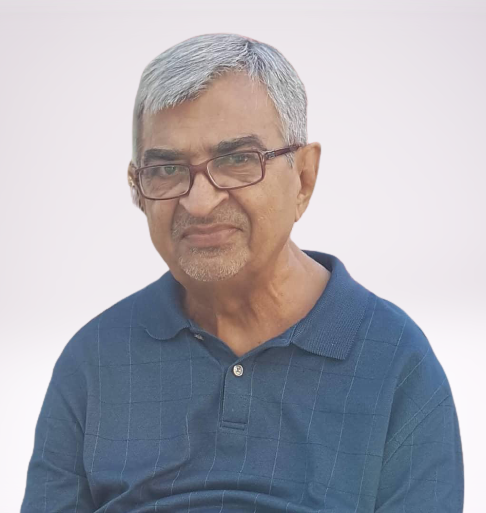
Roshanali Ahmed Sumar -2021

Rubab Muslim Chatoo 1928-2020

Rustam Abdallah Fazal 1939-2021

(Maulana Syed) Sabir Hussein Kazmi 1953-1997

Sabira Roshanali Mulani 1953-1987

(Sayyid) Saeed Akhtar Rizvi 1927-2002

Safdar Virji Walji 1928-2016

Sajjad Hussein Gulamali 1976-2024
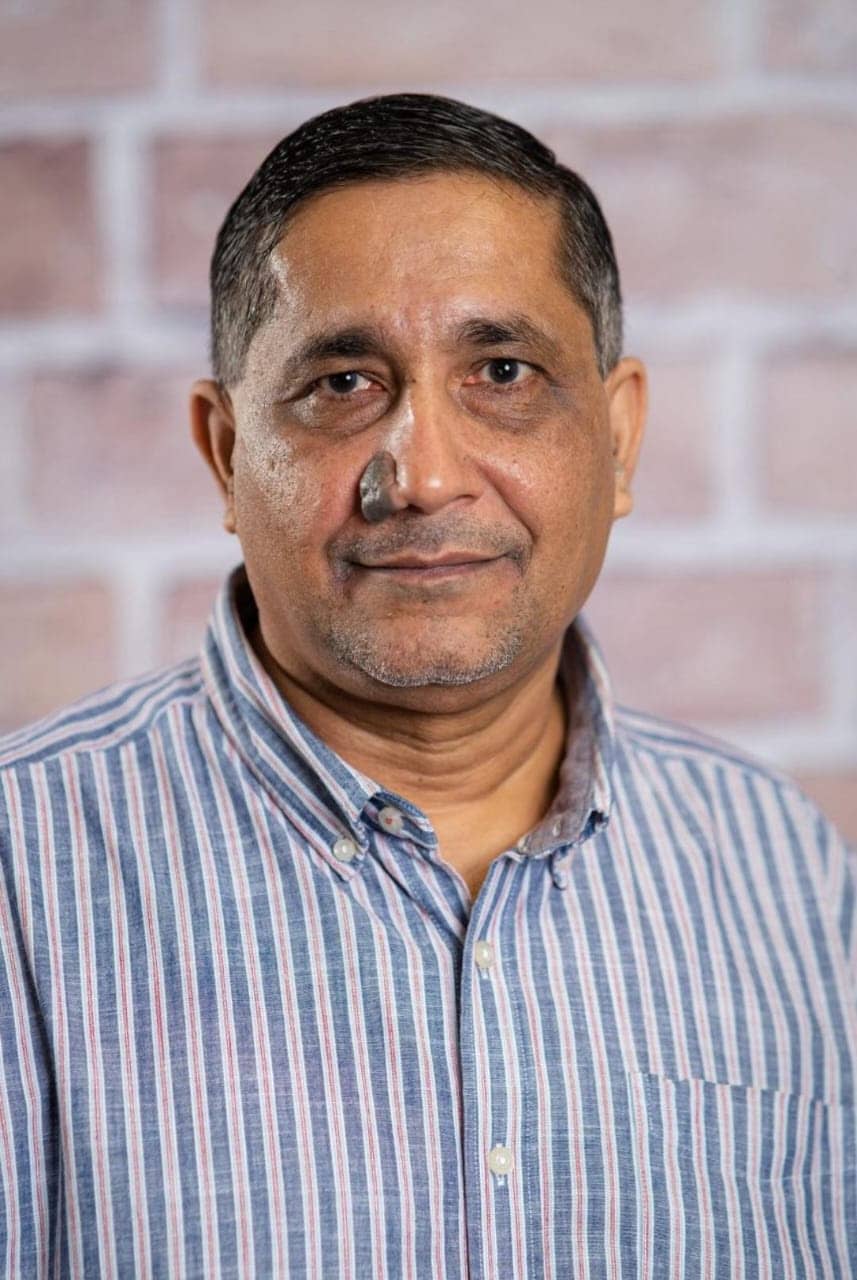
Shabbir Kermalli M Kermalli

Shabbir Mohamedali Chagani 1964-2008

Shabbir Mohamedhusein Janmohamed 1953-2001

Shakirali Hassanali Karim 1958-2021

Sherali Abdulrasool Khatau 1927-2016

Sherbanu Abdulrasul Bhalloo 1943-2024

Shirazali Mohamedali Panjwani 1948-2024

Sikandar Hasham Alidina 1946-2021

Suhaan bint Shenaaz 2006-2021

Suleman Shivji

Yasinali Yusufali Nurmohamed 1941-2025

Yusuf Hussein Sheriff 1935-1978

Yusuf Musa Dhalla 1937-1999

Yusuf Shafiqali Khaki 2000-2013

Yusufali Abdulla Pirmohamed 1899-1962
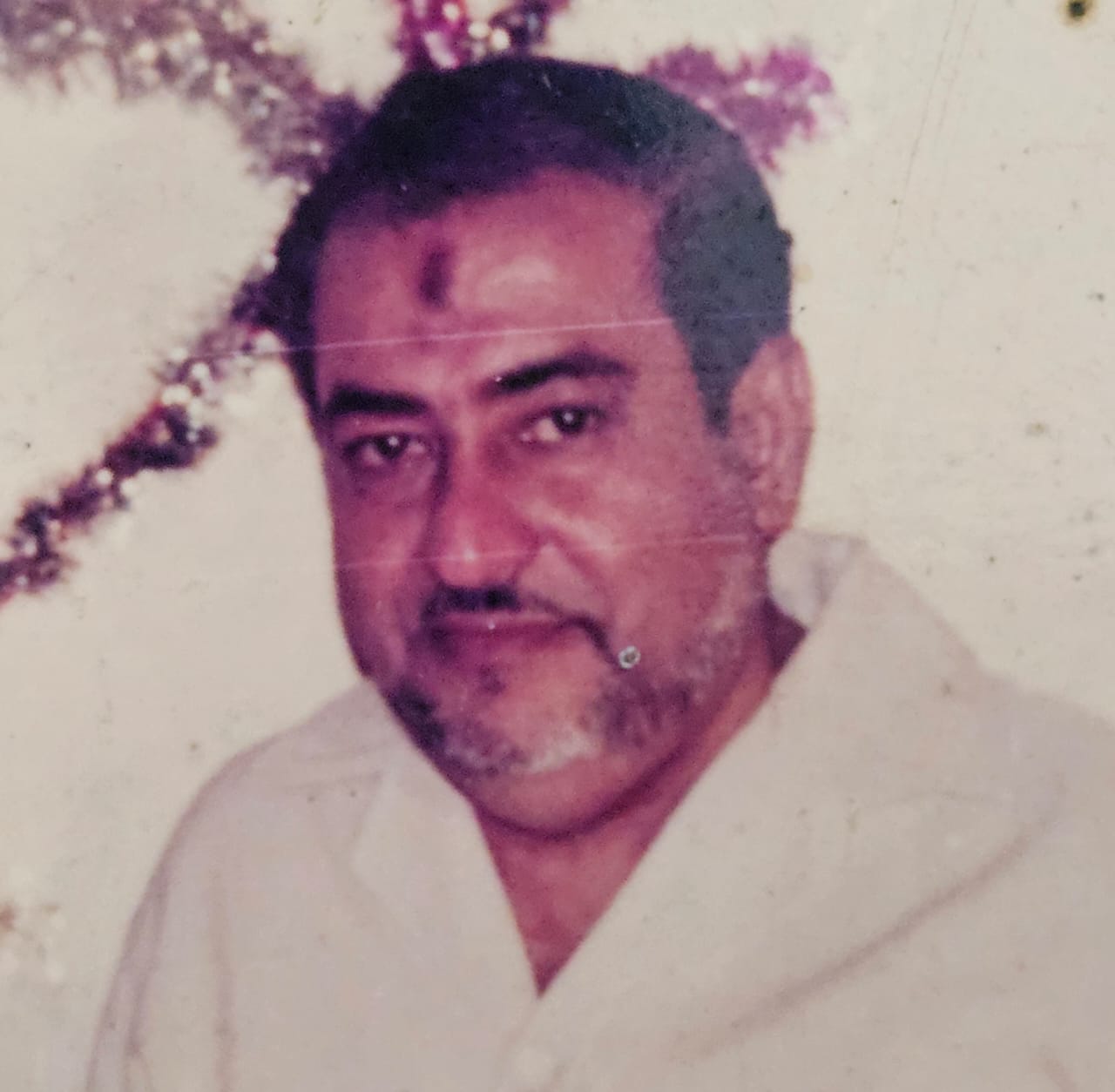
Yusufali Merali Bharwani 1938-1997

Zakiya Anwarali Virjee 1944-2007

Zishanhussein Pyarali Shivji 1973-2001

Zohra Anverali Rajpar -2025
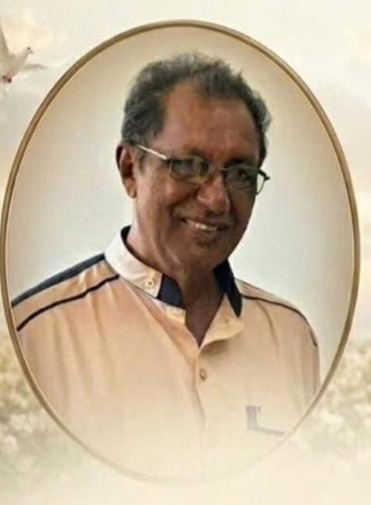
Zulfikar (Juli) Gulamali Visram 1960-2026