Abdulhussain Muhammed Tejani (Dubai, UAE) is a Change Architect in Leadership and HR and has been involved in many capacities in the community and through pro bono work with youths. Presently, he is the Chief People Officer in Leadership and HR at People Matter, and an accredited Trainer for the Human Capital Institute (US).HR DIRECTOR/ VP HR Human Resources Vice President focused on designing and delivering effective people management, talent development and workforce planning strategies to create a high-performance culture. Built a 24-year career encompassing HR and Learning and development directorships within global healthcare, banking, education, petroleum, market research and information companies covering the MENA region.
Effectively led pre- and post-merger initiatives to integrate and harmonise HR personnel, systems and functions. Developed trust and credibility of the HR function, embedding processes and systems within wider business strategy and monitoring their operational impact. A key influencer and change agent who skilfully liaises with board-level executives, senior management and business unit heads in securing commitment to change management initiatives, as well as policy and procedure implementation. An engaging and inspirational leader adept at coaching, mediating and resolving employee relations issues. Experienced in modernising compensation and benefits structures, as well as establishing strategic partnerships to aid people development and the accomplishment of overarching business objectives.
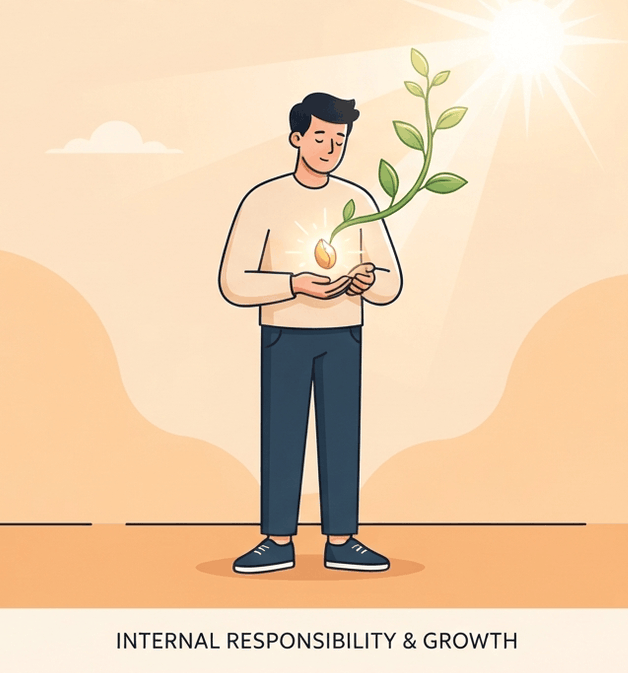
Faith-based leadership is often misunderstood as “bringing religion into the workplace.” In an Islamic frame, it is closer to something far more practical: bringing responsibility, justice, mercy, and excellence into how you lead– so that culture becomes an ethical ecosystem, not a slogan. When leaders internalise faith as character (akhlaq) rather than performance, corporate culture changes in measurable ways: trust rises, fear reduces, collaboration improves, and people feel a sense of dignity at work.
Islam starts leadership with Amanah – a trust. The Qur’an commands leaders to return trusts to whom they are due and judge with fairness (4:58). In corporate terms, this is governance, transparency, and consistency: hiring and promotion based on merit, fair policies, clear decision rights, and accountability without favouritism. It also directly aligns with what modern leadership calls ethical leadership and “doing the right thing when it’s hard” – because culture is shaped less by values posters and more by what gets rewarded, tolerated, and ignored.
Then comes Adl (justice) and Ihsan (excellence with benevolence). The Qur’an famously states: Allah commands justice and ihsan… and forbids immorality and oppression (16:90). This pairing is powerful: justice is the baseline (fairness, rights, due process), while ihsan is the higher standard (thoughtfulness, generosity of spirit, going beyond the minimum). Today’s “human-centric leadership” trend – empathy, well-being, and dignity at work – sounds new, but it closely mirrors the Islamic insistence that excellence is incomplete without goodness.
A third pillar is Shura – consultation. The Qur’an praises those “whose affair is determined by consultation among themselves” (42:38). In contemporary language, this is participative leadership, empowerment, and inclusive decision-making. It also links to one of the most discussed ideas in leadership today: psychological safety, an environment where people feel safe to speak up. Consultation is not a “nice-to-have” in Islam; it is a discipline that reduces blind spots, increases buy-in, and makes teams stronger – especially in complex, fast-changing environments.
Islamic leadership also emphasises Rahmah (mercy) as a daily operating principle, not a personality trait. The Prophet taught: “Those who are merciful are shown mercy… Be merciful to those on the earth.”Compassion in organisations is now strongly associated with engagement and retention, but Islam frames it as a moral duty: how you treat people is part of your accountability before Allah. That is reinforced by the Prophetic principle of stewardship: “Each of you is a shepherd,and each of you is responsible for his flock.” A leader’s “flock” includes not only performance outcomes, but also workloads, fairness, growth, and psychological well-being.
Inclusivity, too, is deeply rooted. The Qur’an reminds humanity that diversity exists “so that you may know one another,” and that honour is based on righteousness, not tribe, status, or identity (49:13). Modern inclusive-leadership frameworks emphasise curiosity, humility, and creating belonging – traits widely promoted in leadership development today. Islam’s parallel is clear: build cultures where people are valued, not “categorised,” and where difference becomes strength rather than division.
Finally, Islamic faith-based leadership is uncompromising about integrity in transactions. The Qur’an condemns those who take full measure for themselves but give less to others (83:1–3). That is not only about weights and measures; it is a cultural warning against double standards – one rule for leaders, another for everyone else. A culture of integrity is created when leaders do not “cheat” with ethics, credit, recognition, or fairness.
The link between Islamic principles and leadership trends is direct: ethical leadership (amanah/adl), human-centric leadership (ihsan/rahmah), inclusive leadership(49:13), participative leadership and psychological safety (shura), and accountability (stewardship and integrity). Faith, practised correctly, doesn’t narrow the workplace – it elevates it. It shapes a culture where people can trust the system, speak honestly, collaborate generously, and pursue results without sacrificing the soul of the organisation.
Contains information related to marketing campaigns of the user. These are shared with Google AdWords / Google Ads when the Google Ads and Google Analytics accounts are linked together.
90 days
__utma
ID used to identify users and sessions
2 years after last activity
__utmt
Used to monitor number of Google Analytics server requests
10 minutes
__utmb
Used to distinguish new sessions and visits. This cookie is set when the GA.js javascript library is loaded and there is no existing __utmb cookie. The cookie is updated every time data is sent to the Google Analytics server.
30 minutes after last activity
__utmc
Used only with old Urchin versions of Google Analytics and not with GA.js. Was used to distinguish between new sessions and visits at the end of a session.
End of session (browser)
__utmz
Contains information about the traffic source or campaign that directed user to the website. The cookie is set when the GA.js javascript is loaded and updated when data is sent to the Google Anaytics server
6 months after last activity
__utmv
Contains custom information set by the web developer via the _setCustomVar method in Google Analytics. This cookie is updated every time new data is sent to the Google Analytics server.
2 years after last activity
__utmx
Used to determine whether a user is included in an A / B or Multivariate test.
18 months
_ga
ID used to identify users
2 years
_gali
Used by Google Analytics to determine which links on a page are being clicked
30 seconds
_ga_
ID used to identify users
2 years
_gid
ID used to identify users for 24 hours after last activity
24 hours
_gat
Used to monitor number of Google Analytics server requests when using Google Tag Manager

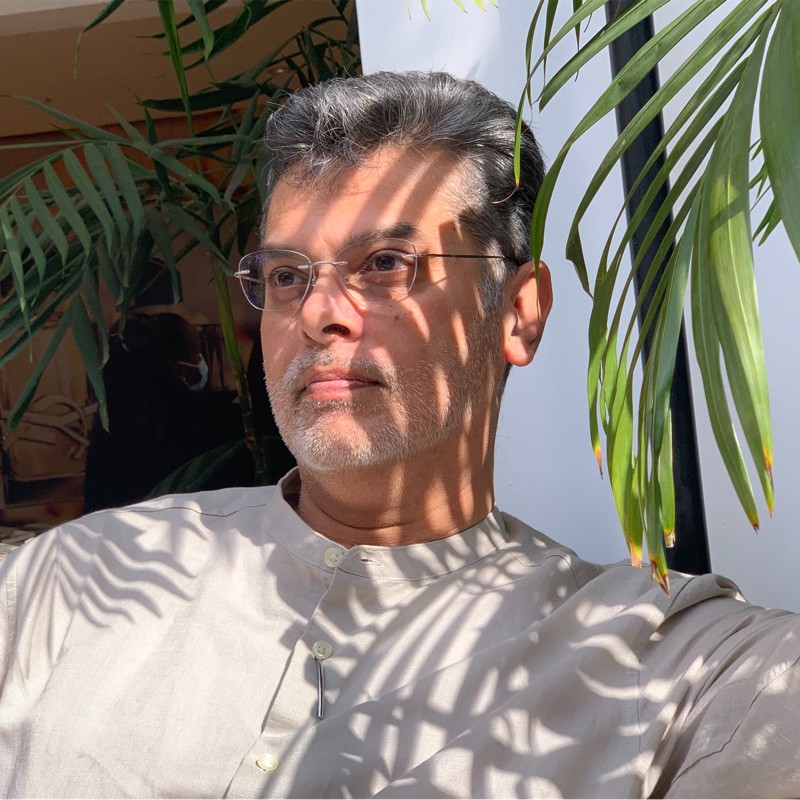 Abdulhussain Muhammed Tejani (Dubai, UAE) is a Change Architect in Leadership and HR and has been involved in many capacities in the community and through pro bono work with youths. Presently, he is the Chief People Officer in Leadership and HR at People Matter, and an accredited Trainer for the Human Capital Institute (US). HR DIRECTOR/ VP HR