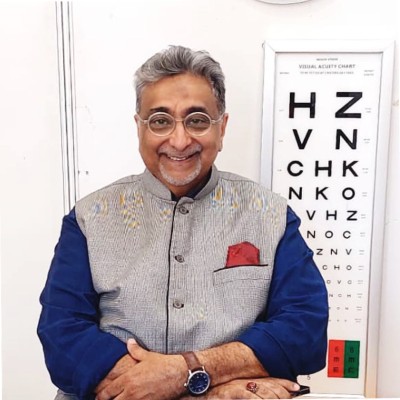
An optometrist running a successful eye care centre for almost 50 years now. He is a Board Member of the Optometric Council of Tanzania. Husseinali has been an active member of the community since his early days, taking a keen interest in the Ithnasheri Union and Jamaat affairs. He is fond of reading and writing.
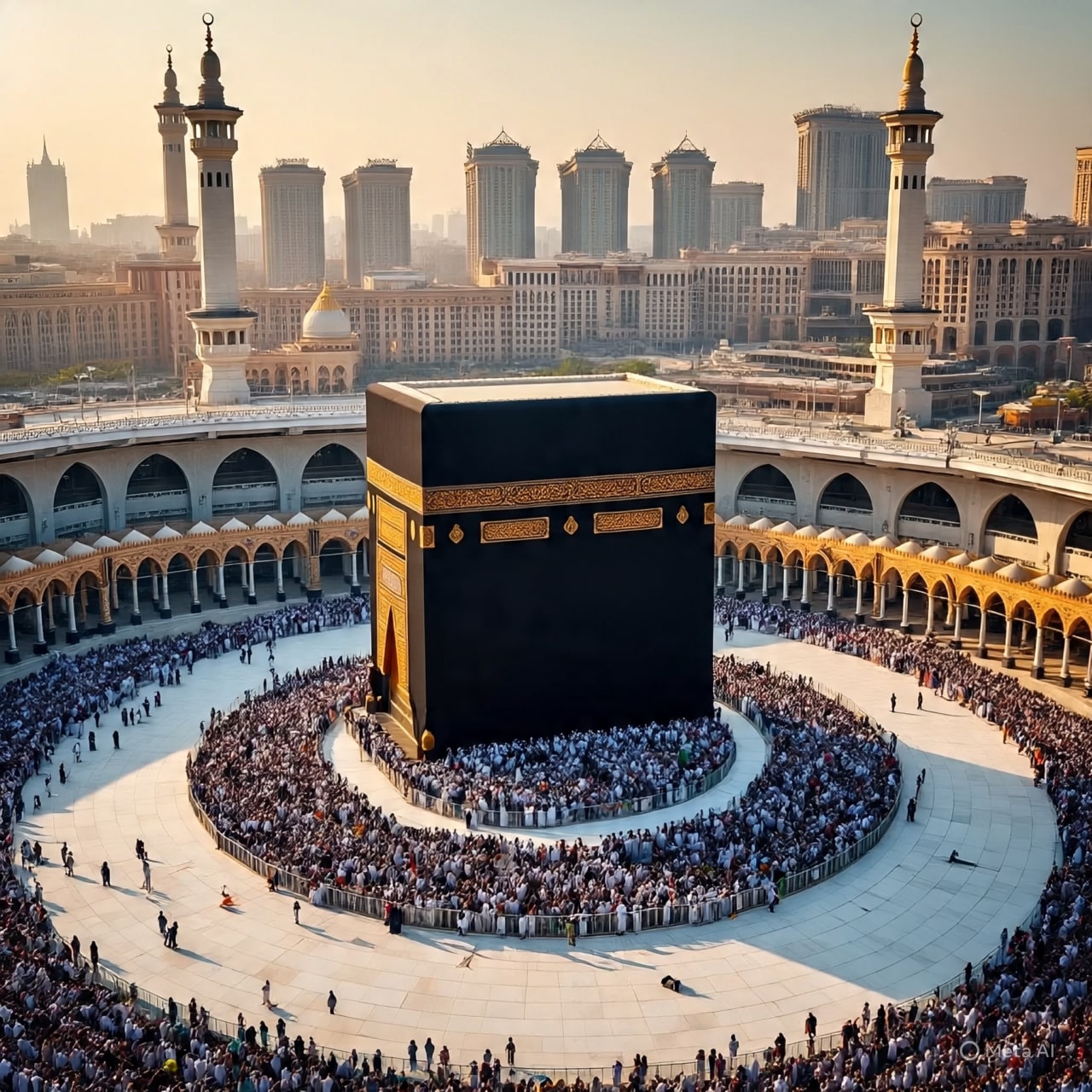
“The reader does not steal, and the thief does not read.”
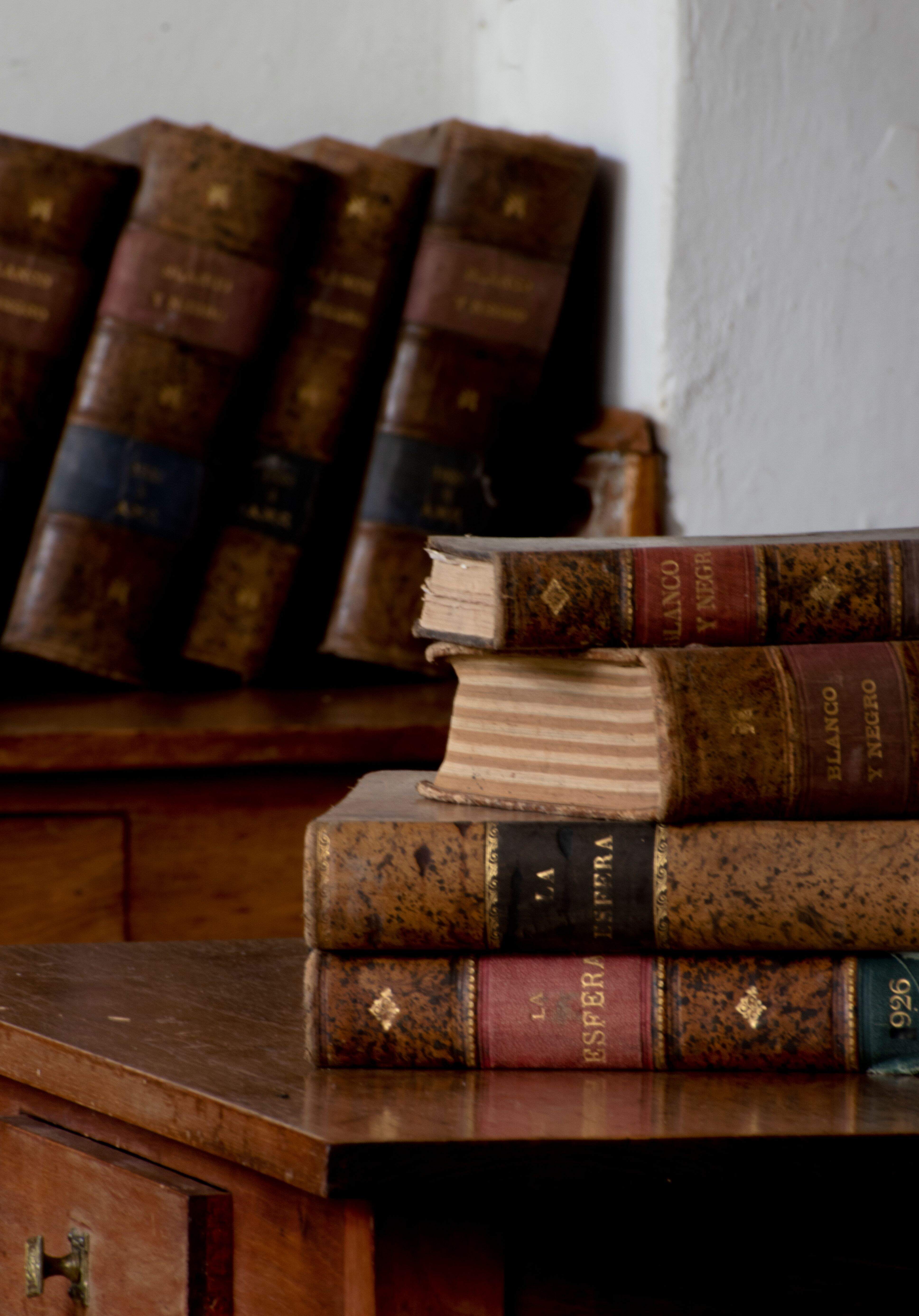
Books have been among my most loyal companions for as long as I can remember. They walked beside me through childhood in Tanzania – in dusty classrooms, quiet evenings at home, and moments of youthful curiosity. Later, during my student years in the United Kingdom, books became gateways to entirely new worlds. I discovered the charm of second-hand bookshops and the unforgettable magic of browsing through Foyles in Holborn, London – once regarded as the largest bookshop in the world – where the scent of paper and ink carried a special kind of joy
Over the years, books travelled back with me across continents and oceans until they became more than a collection on shelves. They became a map of my life. Some reminded me of places I had visited, others of ideas that changed me, and many of the people who quietly shaped my thinking. Books became teachers, companions, mentors, and mirrors. They nurtured curiosity, compassion, and imagination in ways no classroom alone could provide
Today, in this age of technology and instant information, I am often asked a familiar question: Why spend money on books when everything is available online?.
Sometimes the question comes with genuine curiosity; at other times with mild amusement, as though buying books has become an old-fashioned indulgence.
I was reminded of this recently while preparing for a humanitarian eye camp in Iraq. As I explained the medical mission to friends, I mentioned with equal excitement that I also hoped to explore Iraq’s old book markets. Many looked puzzled. Why, they wondered, would someone devote precious luggage space and free time to searching for books while travelling for service? But those who truly love books will understand.
The value of a book is never confined merely to the words inside it. A book is discovery, memory, and intimacy with history. There is a unique joy in stumbling upon a title you never intended to find, in turning fragile pages touched by time, or in standing before shelves filled with possibilities. These are experiences no digital file can fully replace.
After long days of eye camps in Karbala during the last Arbayn, I wandered through narrow streets searching for bookstores. The search itself became an adventure. Most books were in Arabic or Persian, largely religious in nature, and though I could not read many of them, simply being surrounded by books brought a quiet happiness.
One afternoon, I came across a modest little shop tucked away in a side street. It was part stationery store, part photocopy shop, with books stacked quietly in corners like forgotten companions waiting to be rediscovered. The shopkeeper introduced himself warmly as Haider, a name one hears often in Iraq.
As I browsed through the Arabic titles, he paused thoughtfully and asked: “Hal a‘rid ‘alayk kutub biallughat al-’ingliziyyah?” “Shall I show you some books in English?” I smiled and nodded.
His face brightened immediately. With genuine enthusiasm, he dusted off a small hidden stack of English books, handling them almost like treasures rediscovered after years of neglect. Perhaps I was the first customer in a very long time to ask for English titles.
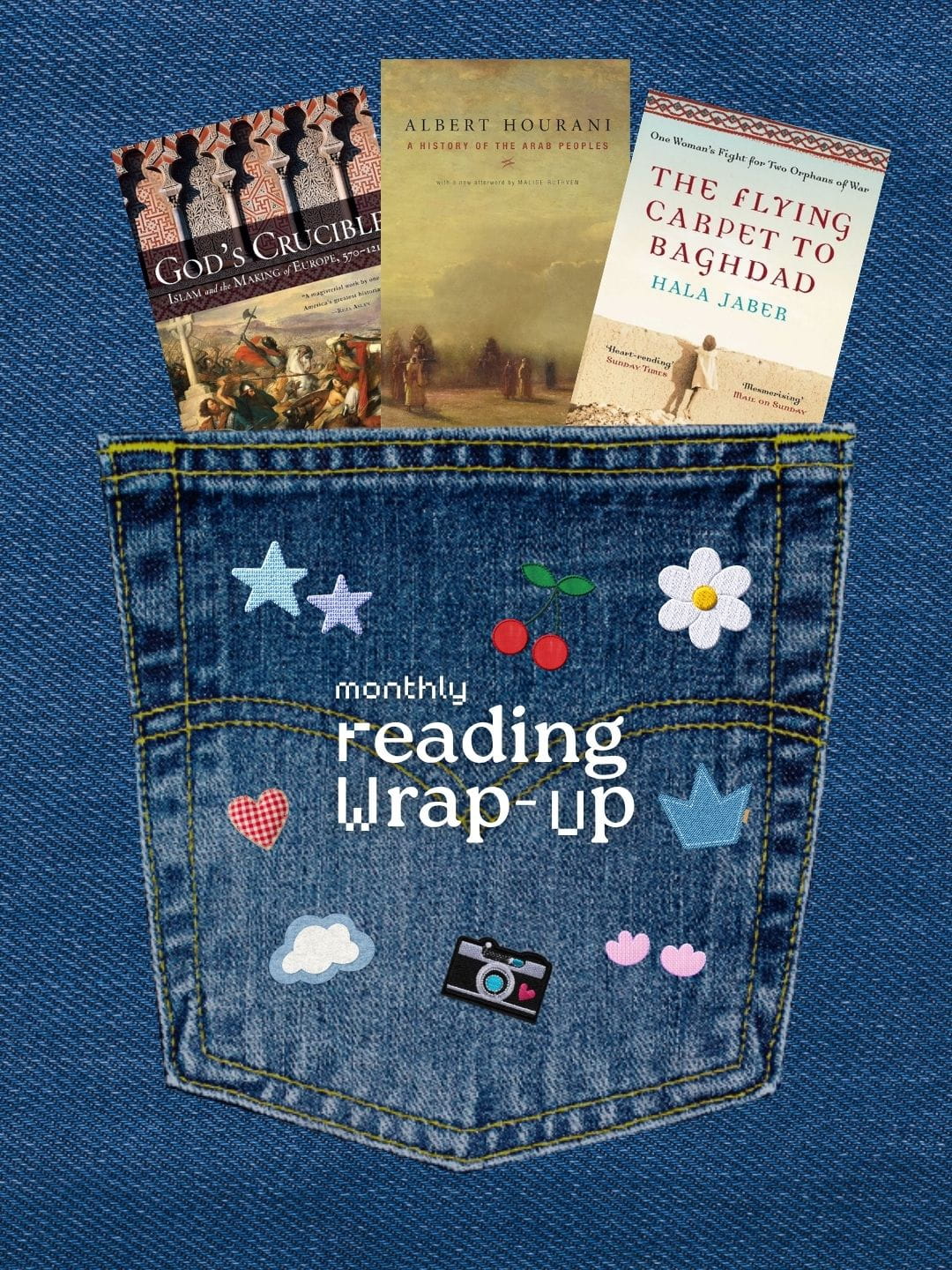
Among the books I carried away were God’s Crucible, Muhammad: The Messenger of Guidance, The Flying Carpet to Baghdad, and A History of the Arab Peoples. Finding such titles in Karbala felt unexpectedly delightful – almost like uncovering hidden gems in an unlikely place.
Yet while standing before shelves filled with Arabic literature, I also felt a quiet sadness that I could not access the vast ocean of knowledge before me. Language, I realised again, can be both a bridge and a barrier opening doors to some worlds while leaving others closed.
Packing the books into my suitcase later became its own small comedy. Their weight, together with a few artefacts collected along the way, forced me to leave behind some old clothes to make room. I laughed to myself at the symbolism: fewer clothes, more books. Perhaps that was the clearest statement of priorities I had ever made.
What stayed with me most, however, was not simply the books themselves, but the feeling attached to them. Buying those books was not a transaction. It was an affirmation – a reminder that the love of reading still survives quietly across cultures and borders. Even in places where English books are rare, books continue to connect human beings through shared curiosity and imagination.
I was also reminded of a beautiful saying often associated with Iraq’s famous book markets: booksellers sometimes leave their stalls unattended overnight, and when visitors ask why the books are never stolen, Iraqis smile and say:
“The reader does not steal, and the thief does not read.”
There is profound wisdom and optimism in that sentence. It reflects a culture that still holds books in reverence despite hardship and uncertainty.
One day, InshaAllah, I hope to walk through Baghdad’s legendary al-Mutanabbi Street, the historic heart of Iraq’s intellectual life, lined with booksellers, poets, writers, and readers. To many, it is simply a street. But to lovers of books, it is something far greater: a living archive of civilisation and memory.
For me, visiting such a place would not merely be tourism. It would feel like a pilgrimage, a quiet tribute to generations of readers and thinkers who believed that ideas matter, that books matter, and that knowledge must never be silenced.
Because in the end, buying books is never merely about acquiring printed pages, it is about preserving memory, honouring culture, nurturing curiosity, and finding joy in discovery.
Every book I bring home adds not only to my shelves but also to the story of my life.
Recent posts
- True self-development
 True self-development by Asgar Jafferali Dhanji While physical growth is easy to see, your mind, character, and professional capability evolve in ways that are much harder to gauge. If you look back five years, you are likely not the same person you were then. You are constantly evolving, but reaching the next level of your personal development requires conscious, deliberate action.
 - Adl
 Adl by Sheikh Fattah The concept of justice (‘Adl) occupies a foundational position in Islamic theology and ethics, serving as a lens through which the relationship between the Creator and creation is understood. In his insightful essay, “Adl – Justice and Decree,” originally published in the spring 1984 issue of the journal Nuradeen, Sheikh Fattah provides a concise yet profound exploration of this multi-faceted principle. Drawing extensively from the Holy Quran and the narrative traditions (ahadith) of the Ahlul Bayt – specifically Imam Ali and Imam Ja’far as-Sadiq—the author dismantles the complexities surrounding divine decree, free will, individual morality, and structural social justice. The text functions not merely as an academic exposition of theological doctrine, but as an ethical manifesto that bridges metaphysical truths with practical human responsibility.
 - Eternal Life
 Eternal Life by Ayatullah Murtadha Mutahhari Ayatullah Murtadha Mutahhari’s Eternal Life is a concise but profound exploration of one of Islam’s central beliefs: that human life does not end with death. Drawing on the Qur’an, hadith, Islamic philosophy, and rational argument, Motahhari presents the Hereafter not as a distant abstraction but as the destination that gives meaning to every thought, choice, and action in this world. The book is especially valuable for readers seeking a clear, reasoned introduction to Islamic teachings on death, the soul, barzakh, resurrection, and eternal life.