
A Change Architect in Leadership and HR, and has been involved in many capacities in the community and through pro bono work with youths. Presently, he is the Chief People Officer in Leadership and HR at People Matter, and an accredited Trainer for the Human Capital Institute (US). HR DIRECTOR/ VP HR
Human Resources Vice President focused on designing and delivering effective people management, talent development and workforce planning strategies to create a high-performance culture. Built a 24-year career encompassing HR and Learning and development directorships within global healthcare, banking, education, petroleum, market research and information companies covering the MENA region.
Effectively led pre- and post-merger initiatives to integrate and harmonise HR personnel, systems and functions. Developed trust and credibility of the HR function, embedding processes and systems within wider business strategy and monitoring their operational impact. A key influencer and change agent who skilfully liaises with board-level executives, senior management and business unit heads in securing commitment to change management initiatives, as well as policy and procedure implementation. An engaging and inspirational leader adept at coaching, mediating and resolving employee relations issues. Experienced in modernising compensation and benefits structures, as well as establishing strategic partnerships to aid people development and the accomplishment of overarching business objectives.
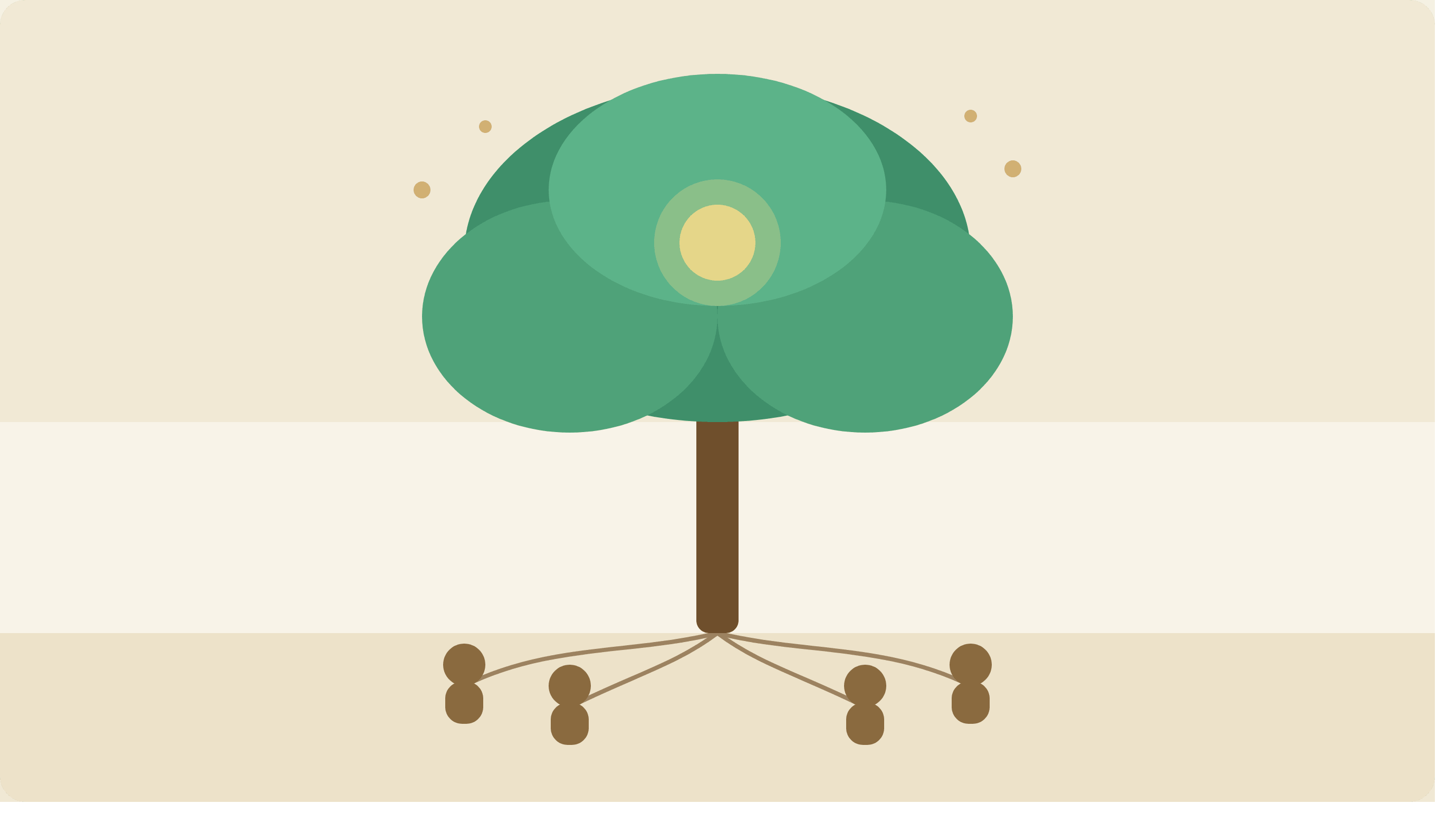
Creating Lifelong Learning Communities in Our Times
We live in one of the most information-rich periods in human history.
A person today can listen to a lecture while driving, attend a course taught thousands of kilometres away, read an entire library on a small device, learn a new skill from a video, and find an answer to almost any question within seconds. Knowledge has become abundant, portable and constantly available.
And yet there is a paradox.
More information has not necessarily made us wiser. Greater access to knowledge has not automatically produced stronger families, more compassionate societies, deeper faith, better leadership or a greater sense of responsibility towards one another.
We may know more, but are we becoming better?
This question matters deeply for Muslim communities. Our tradition has always placed knowledge at the heart of human development. But Islamic learning was never intended to be merely the accumulation of information. It was meant to transform the individual and, through transformed individuals, reshape society.
From a Shia perspective, this becomes particularly clear when we look at the lives of the Prophets, Lady Fatima al-Zahra (a), and the Imams of the Ahl al-Bayt (a). Their lives show us that knowledge reaches its highest purpose when it moves through a journey:
- from knowing to becoming,
- from becoming to serving,
- and from serving to changing the community around us.
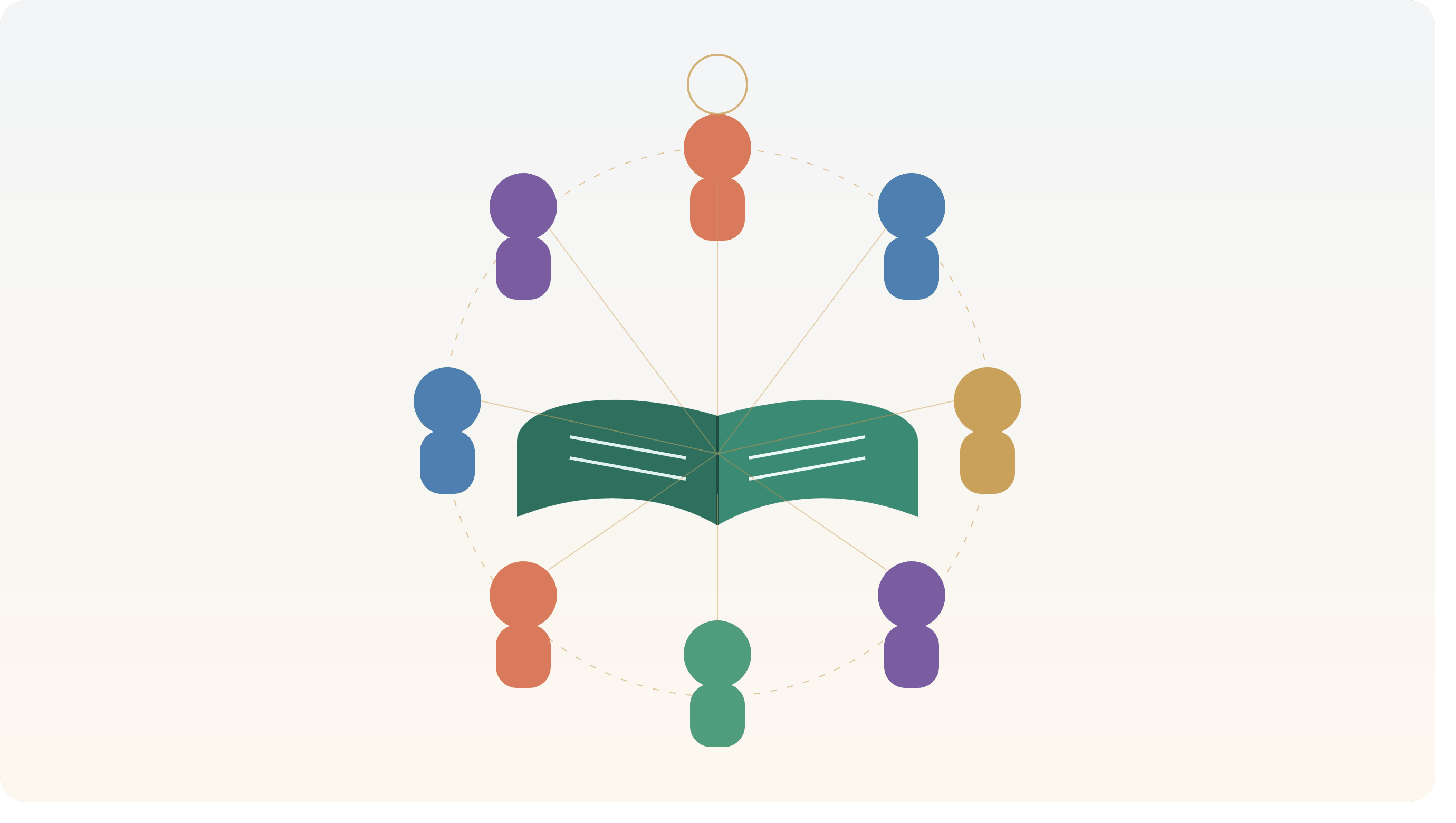
Perhaps that is one of the great challenges of our time: how do we move from individual learning to communal change?
The question is no longer simply, “How do we create more knowledgeable individuals?”
It is, “How do we create communities in which learning never stops, wisdom is shared, generations learn from one another, and knowledge continually becomes action?”
That is what it means to create a lifelong learning community.
The Journey Begins With “Read”
The first word revealed to the Prophet Muhammad (s) was remarkable:
Iqra – Read.
The Islamic story begins with an invitation to learn.
But Iqra means more than reading a book. The Qur’an repeatedly asks the human being to observe, reflect, remember, reason and question. It invites us to look at creation, examine history, understand ourselves and consider the consequences of human choices.
Learning, therefore, is not simply acquiring facts. It is learning to see differently.
This is precisely what the Prophet Muhammad (s) did in Makkah and Madinah.
He did not arrive among an unintelligent people. Arabian society had poets, traders, leaders, negotiators and people of considerable practical ability. What the Prophet challenged were the assumptions upon which society was built.
- Who deserves dignity?
- What gives a human being worth?
- What responsibilities come with wealth?
- How should the powerful treat the weak?
- What are our duties towards an orphan, a neighbour, a traveller, a slave, a woman, or someone outside our tribe?
- What does leadership mean?
The Prophet taught people to see these questions differently.
Bilal, once enslaved, could stand with dignity in the new Muslim community. Salman al-Farsi, a foreigner, could be embraced as part of the Prophet’s spiritual family. Wealth could no longer be regarded simply as personal possession; it carried obligations. Tribal superiority was challenged by moral worth. Leadership became accountability before Allah.
The Prophet was building more than informed individuals.
He was building a learning society.
He was teaching people to examine what they had inherited, retain what was true, abandon what was unjust, and reorganise life around revelation.
This distinction is important for us today.
Many of our communities are rich in lectures, seminars and programmes. We listen to scholars. We attend majalis. We read books. We participate in courses.
But the most important question comes afterwards.
What changed?
If I attend a lecture on generosity yet remain indifferent to a family nearby that is struggling financially, what have I learned?
If I study the justice of Imam Ali (a) but treat people who work for me without dignity, how much have I understood?
If I cry for Imam Husayn (a) but remain silent when someone vulnerable is humiliated in front of me, what has Karbala changed within me?
Islamic learning cannot end with information.
It must eventually become visible in character.
And once character changes, behaviour changes. When behaviour changes collectively, communities change.
That is the movement from individual learning to communal transformation.
Knowledge Is a Trust
Islam places great emphasis on the individual. Each human being must think, choose and take responsibility before Allah.
Yet the Islamic vision of human development is never completely individualistic.
Even our acts of worship remind us of this.
We stand individually before Allah, yet much of the language of prayer is communal. We ask Allah to guide us. We pray for others. We give charity. We attend congregational prayer. We fast together in Ramadan. We make pilgrimage as a community.
Our spirituality is deeply personal, but it is never meant to make us self-contained.
The same applies to knowledge.
In our age, learning can easily become another form of consumption. We listen to a podcast, watch a lecture, read a book, make notes, feel inspired – and then move on to the next piece of content.
We accumulate ideas in the same way that we accumulate possessions.
But the Islamic tradition asks something more of us.
Knowledge is not simply something we possess.
Knowledge is something for which we become responsible.
Imam Ali (a) repeatedly connects knowledge with action. Knowledge should refine the human being. It should affect judgement, conduct and relationships. The more a person truly understands, the greater their sense of responsibility should be.
This changes the question from:
“What did I learn?”
to:
“Who will benefit because I learned it?”
That second question can change the purpose of education.
A person learns about financial management. That may improve his or her own life. But communal learning asks whether that person can help young families manage debt and savings.
A doctor develops years of expertise. That brings professional success. But communal learning asks whether some of that knowledge can improve health awareness among elderly community members.
An entrepreneur develops valuable experience. Communal learning asks whether that experience can help young people beginning their careers.
A person studies Qur’an and Islamic history deeply. Communal learning asks whether that knowledge can strengthen families, improve leadership and deepen ethical decision-making.
Knowledge reaches maturity when it becomes beneficial beyond the learner.
Recent posts
- True self-development
 True self-development by Asgar Jafferali Dhanji While physical growth is easy to see, your mind, character, and professional capability evolve in ways that are much harder to gauge. If you look back five years, you are likely not the same person you were then. You are constantly evolving, but reaching the next level of your personal development requires conscious, deliberate action.
 - Adl
 Adl by Sheikh Fattah The concept of justice (‘Adl) occupies a foundational position in Islamic theology and ethics, serving as a lens through which the relationship between the Creator and creation is understood. In his insightful essay, “Adl – Justice and Decree,” originally published in the spring 1984 issue of the journal Nuradeen, Sheikh Fattah provides a concise yet profound exploration of this multi-faceted principle. Drawing extensively from the Holy Quran and the narrative traditions (ahadith) of the Ahlul Bayt – specifically Imam Ali and Imam Ja’far as-Sadiq—the author dismantles the complexities surrounding divine decree, free will, individual morality, and structural social justice. The text functions not merely as an academic exposition of theological doctrine, but as an ethical manifesto that bridges metaphysical truths with practical human responsibility.
 - Eternal Life
 Eternal Life by Ayatullah Murtadha Mutahhari Ayatullah Murtadha Mutahhari’s Eternal Life is a concise but profound exploration of one of Islam’s central beliefs: that human life does not end with death. Drawing on the Qur’an, hadith, Islamic philosophy, and rational argument, Motahhari presents the Hereafter not as a distant abstraction but as the destination that gives meaning to every thought, choice, and action in this world. The book is especially valuable for readers seeking a clear, reasoned introduction to Islamic teachings on death, the soul, barzakh, resurrection, and eternal life.